
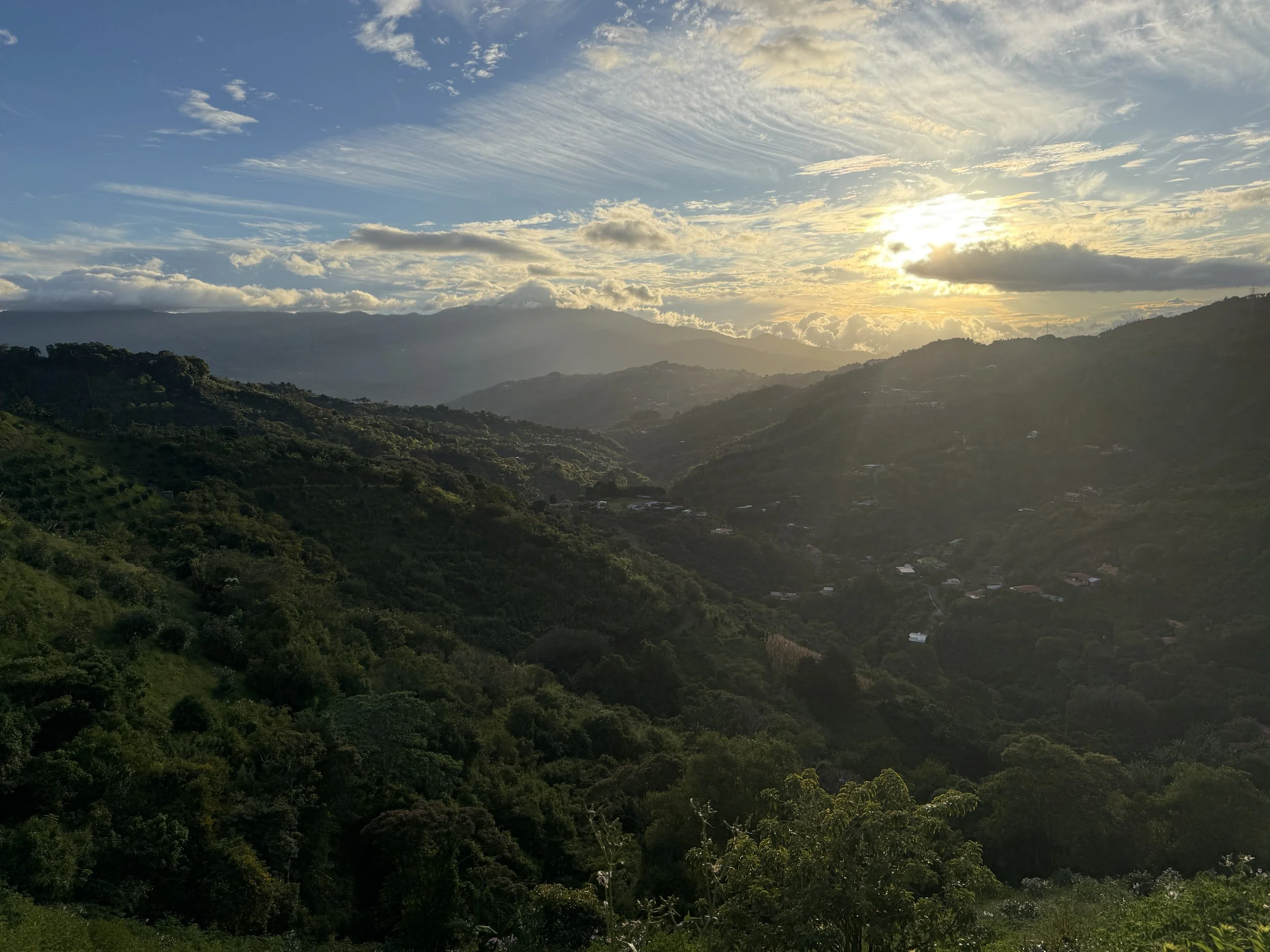
Zona de Los Santos
Zona de Los Santos Travel Guide: Coffee, Culture, and Cloud Forests in Costa Rica's Heartland
Where to Stay in Zona de Los Santos
Because this region remains delightfully off the beaten path, accommodation leans heavily toward cozy, nature-focused eco-lodges, rustic cabins, and family-run properties that put you right in the middle of the cloud forest or coffee country.
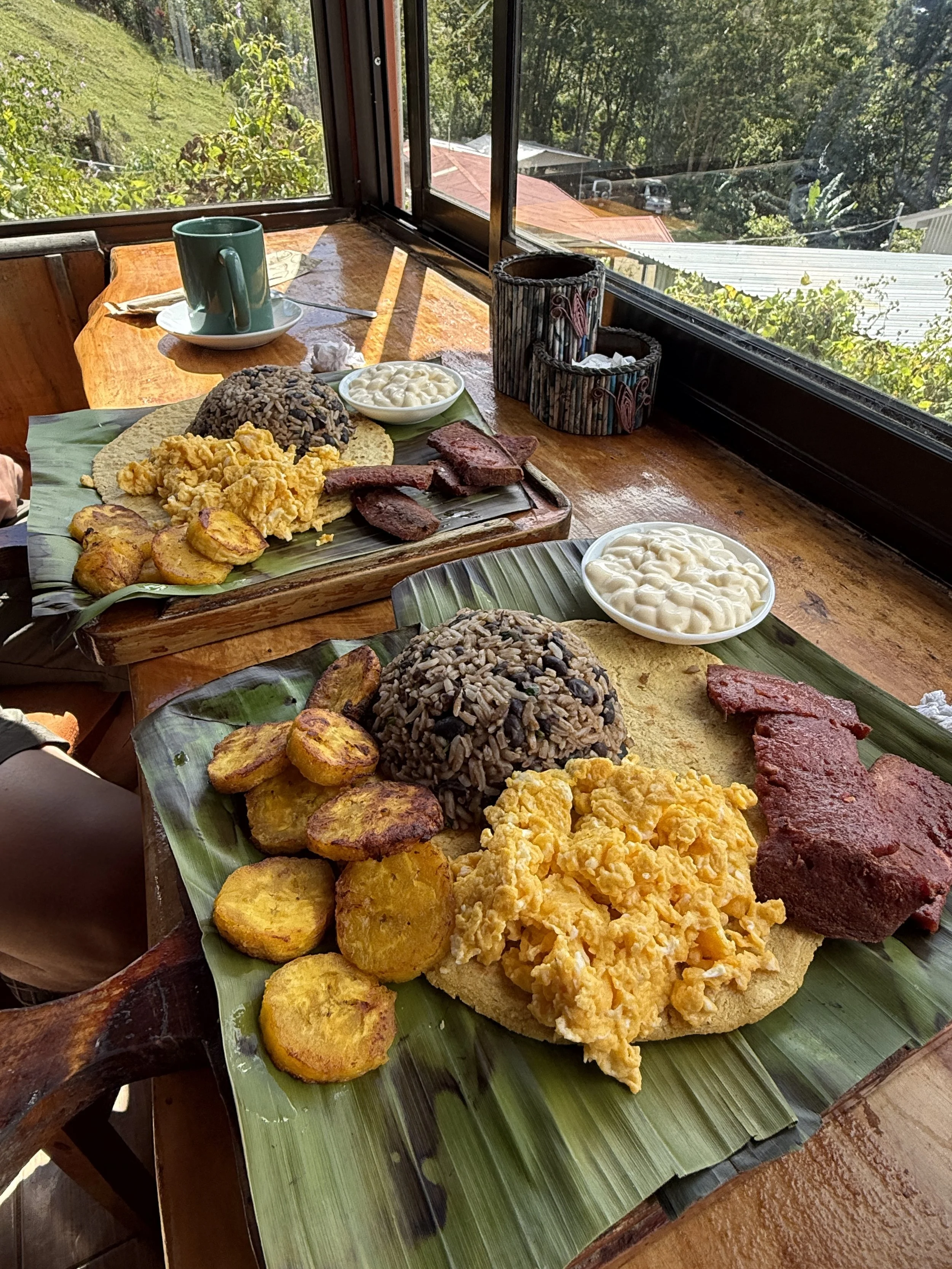
Local Eco-Lodges: Perfect for travelers looking to wake up to crisp mountain air, bird calls (including the elusive Resplendent Quetzal), and sweeping valley views. Many local lodges offer on-site dining featuring fresh mountain trout and traditional Costa Rican dishes.
Santa Juana Lodge - highly rated lodge overlooking the entire valley with a restaurant, pool, private waterfall and verandas with hammocks for relaxing after a day of exploring.
Hotel Cedrela EcoLodge - an entire farm with hiking trails and world class meals, where veggies are grown onsite in their greenhouse.
Cabin Rentals & B&Bs: Ideal if you want a quiet, private mountain retreat with a wood-burning fireplace for chilly high-altitude nights.
Curuba Lodge - simple extremely clean cabins with fireplaces for those chilly nights and an sweet garden area to explore.
La Casona de Los Santos - You’ll have the entire place to yourself, this is a place to truly settle in and live the slow Pura Vida pace.
Staying in San José vs. Staying Over: While you can do a long day trip from San José, staying overnight in the highlands lets you truly experience the golden-hour mountain views, misty evenings, and quiet morning coffee culture.
Frequently Asked Questions (FAQ)
What is Zona de Los Santos famous for?
Zona de Los Santos is globally famous for producing some of the highest-rated specialty coffee in the world, particularly from the Tarrazú region. It is also celebrated for its rich agricultural heritage, dramatic mountain landscapes, traditional villages, and proximity to pristine cloud forests.
Do I need a 4x4 vehicle to visit Los Santos?
Yes, a 4x4 rental car is highly recommended. The roads winding through the Talamanca and Central mountain ranges are steep, narrow, and unpaved in sections. Furthermore, afternoon mists and heavy mountain downpours can reduce visibility quickly, so having a vehicle with good clearance makes the drive much more manageable and secure.
When is the best time to visit?
The dry season (December to April) offers clearer morning views and sunnier skies, making it ideal for hiking and driving. However, the green season (May to November) brings lush landscapes, thriving coffee plants laden with red cherries, and dramatic misty afternoons that give the highlands their magical cloud-forest atmosphere.
Zona de Los Santos isn’t about checking boxes on a frantic tourist itinerary. It’s about slowing down, breathing in the crisp mountain air, tasting some of the finest coffee on Earth, and connecting with the warm, hardworking people who call these mountains home. Grab a jacket, fill up your gas tank, and discover Costa Rica's best-kept highland secret.
Explore More of the Costa Rica Highlands
San Gerardo de Dota is just one piece of the puzzle. If you are building out your high-altitude trip, make sure to explore our other regional guides:
Costa Rica Volcano Hikes Guide: Explore the active craters and high-altitude ash fields of Irazú, Turrialba, and Poás.
Mountain Biking Hub: Take on the high-elevation trails and rugged tracks of the Central Valley and highlands.
The Palms, Peaks and Paradise Itinerary: See how we combine coastlines, cloud forests, and volcanoes into one ultimate route.
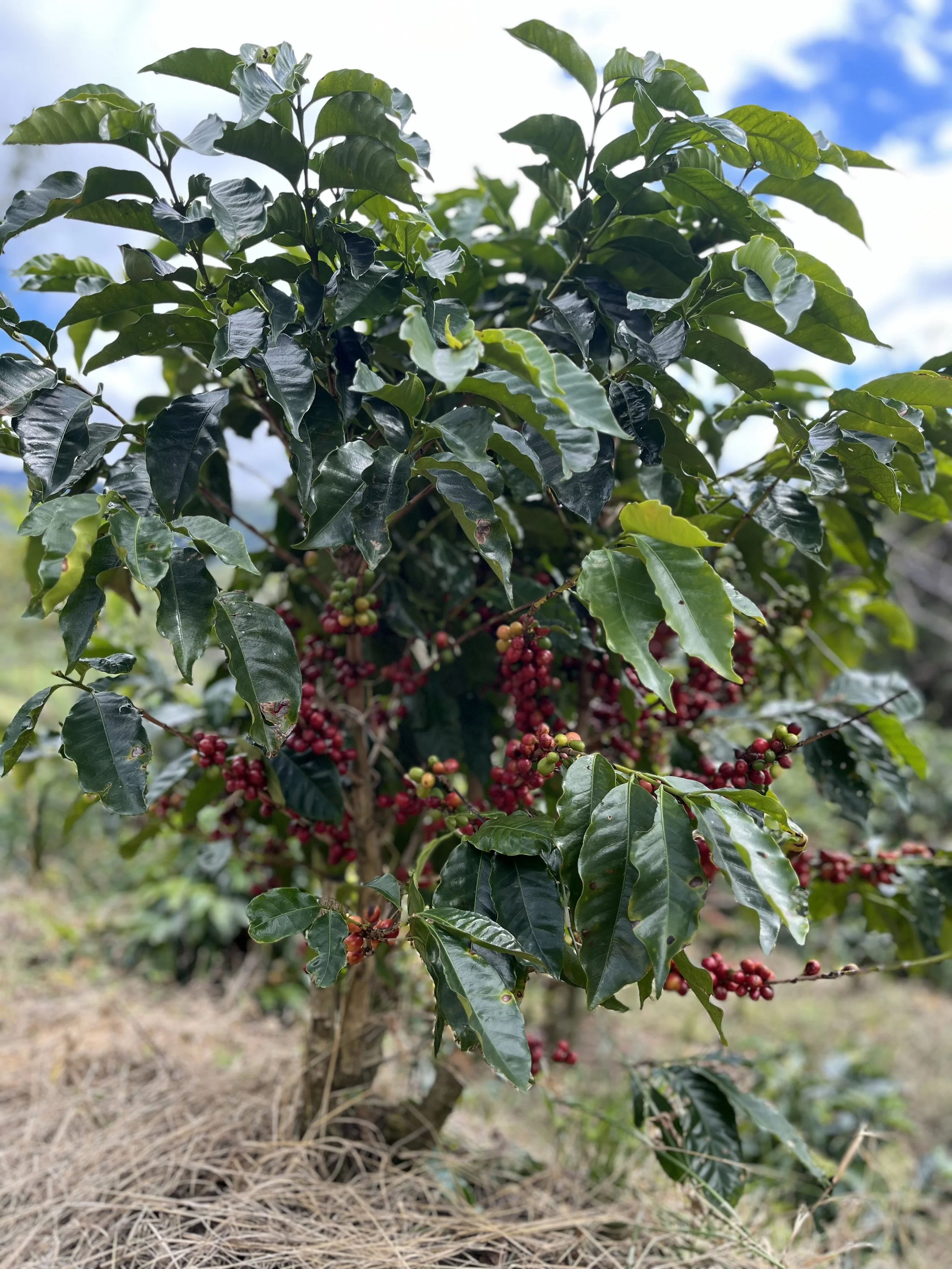
Most travelers to Costa Rica head straight for the beaches of Guanacaste or the adventure hub of La Fortuna. But if you want to experience the soul of the country away from the tourist crowds, you need to head south into the mist-laced peaks of the Zona de Los Santos.
Spanning the Talamanca mountain range, this region holds a special place in my heart. This is where my husband grew up, and it remains one of our absolute favorite areas in the entire country to explore. Whether I’m spending a lazy misty Saturday riding on the back of our motorcycle between tiny mountain towns—stopping for hot coffee and local treats—or stocking up on world-class beans, Los Santos offers an authentic, unhurried side of Costa Rica that you won't find anywhere else
What to Do in Zona de Los Santos
From the world's best coffee plantations to hidden waterfalls, here are the top experiences you shouldn't miss when exploring Los Santos.
1. Immerse Yourself in Costa Rica’s Coffee Culture
Zona de Los Santos is the undisputed heartland of Costa Rican coffee, particularly famous for the legendary beans grown in Tarrazú, Santa María de Dota, and San Marcos.
Tour de café Tierra (Authentic Farm-to-Cup):
If you want an intimate, deeply personal experience away from large commercial tours, visit Tour de café Tierra. Led by Lucidia and her family, this immersive property tour gives visitors a heartfelt look at traditional, hands-on coffee farming and production in Costa Rica.
Tour Highlights & Personal Touches
Rooted in Tradition: Learn the ins and outs of planting, bean picking, and multi-step manual processing directly from passionate local growers who treat you like family.
Beyond Coffee: Explore a lush, beautiful property filled with local plants and fruits—including cutting and preparing fresh sugar cane yourself.
Homemade Hospitality: Reviewers rave about the exceptional hospitality, which frequently includes fresh-baked bread, handmade local drinks like kombucha or ginger tea, and a delicious home-cooked lunch (with accommodating options like vegan meals).
Unforgettable Connection: Visitors consistently rank this as a highlight of their trip, praising the warm conversation, the hands-on coffee grinding and preparation, and even the family's sweet dog, Happy Happy, who welcomes guests to the farm.
CoopeDota Coffee Experiences:
CoopeDota offers incredible tours focused on sustainable farming, rich cooperative history, and expert craftsmanship. Their coffee is so good that CoopeDota's "La Reserva" is an absolute staple in my household—I’ve been known to pack 15 bags in my luggage just to share with friends and family back home! They also offer deep-dive coffee classes covering roasting methods, filtration, and advanced brewing systems.
Tour Highlights
Farm & Field: Jump on a traditional chapulín (tractor) ride for a scenic tour through their organic farm and sustainable agricultural practices.
History & Cultivation: Discover the history of the cooperative, the specific coffee varieties they grow, and the meticulous care that goes into cultivating them.
Milling & Grading: Follow the journey from the bean's harvest through the milling and quality classification processes.
Roast Tasting: Conclude the tour with a guided tasting of distinct roasts.
Deep Dive: Coffee Classes
For coffee aficionados looking to expand their expertise, CoopeDota also offers specialized, hour-long coffee classes. These sessions cover:
Specific roasting profiles
Various filtration and brewing systems
In-depth coffee processing methods
2. Hike to Catarata de los Reyes Waterfall
If you're looking for a rewarding outdoor adventure, head to Finca San Francisco, a private property managed by Coopetarrazú. Here, you can hike to Catarata Los Reyes, an impressively tall, protected waterfall tucked away in the lush mountain landscape.
The Logistics
Check-in: Stop by the ranch to register with staff. Restrooms, picnic areas, and spots to rest are available here before you head out.
The Trek: The journey begins with a manageable $1\text{ km}$ walk along a gravel road, followed by some slightly more rugged and challenging trails leading directly to the falls.
Cost: Access is completely free, with the site proudly protected by the Los Santos Tourism Board.
3. Explore Traditional Mountain Villages
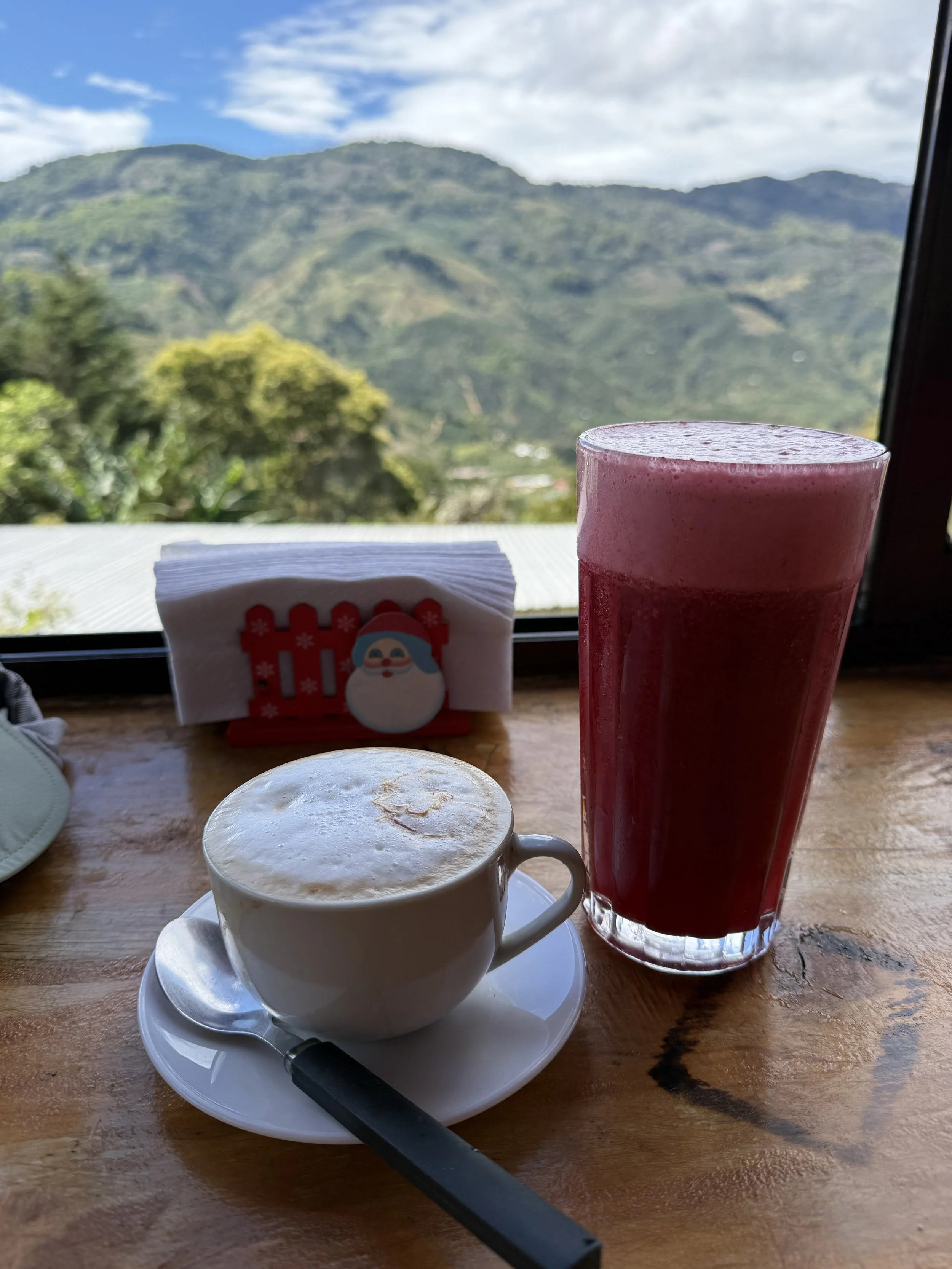
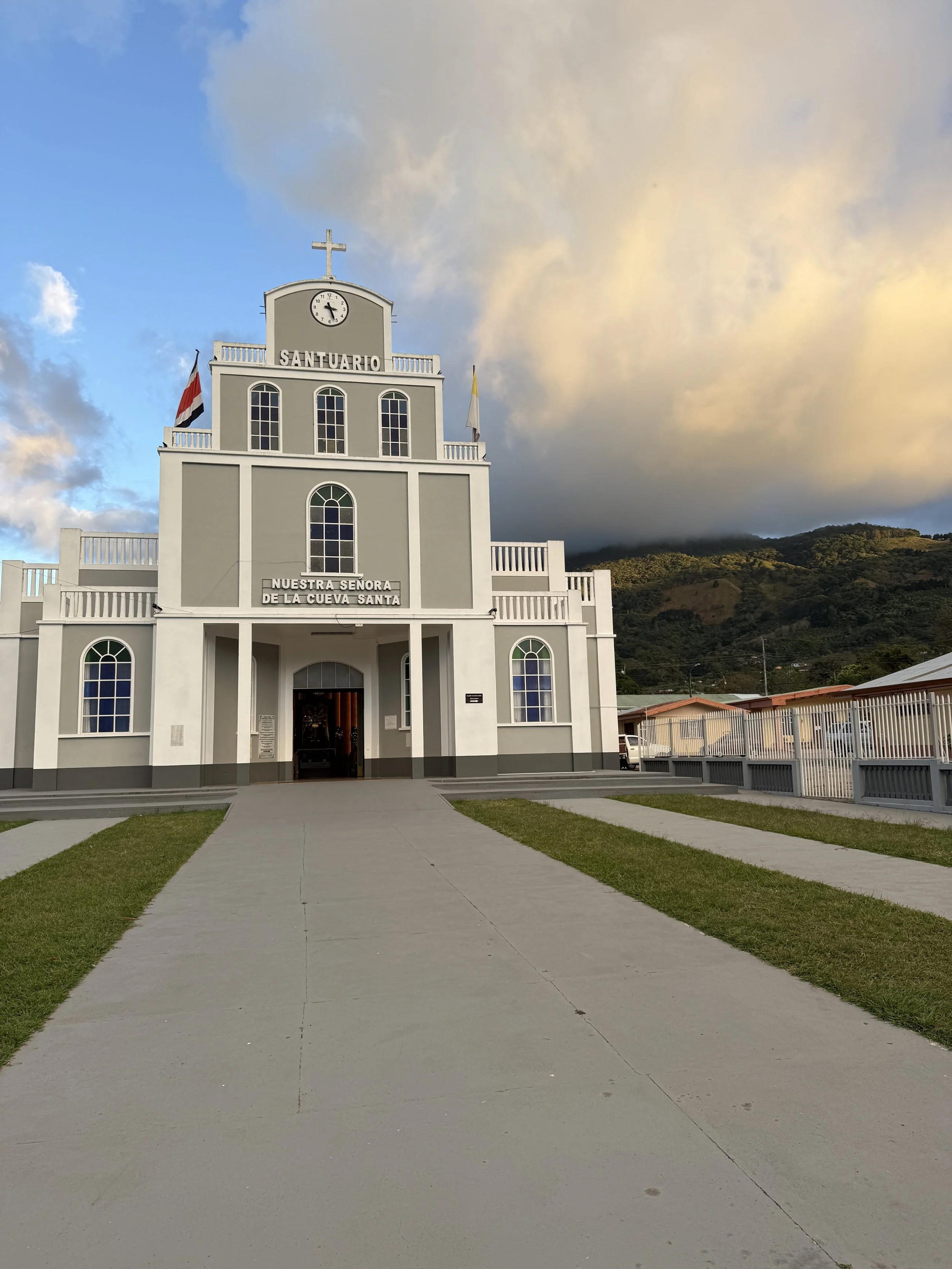
Towns like Santa María de Dota and San Marcos de Tarrazú feel like stepping back in time. Spend an afternoon walking their cobblestone streets, checking out local artisan workshops, browsing the markets, or watching local life unfold around the central church plaza. During the coffee picking season (December -February) , these villages are filled with indigenous families who travel from far corners of Costa Rica and Panama to earn their yearly income picking coffee. Small pickup trucks are filled to the brim with people traveling between towns, their colorful dresses making for a stunning contrast against the green backdrop of the coffee plantations. A must try treat if you’re feeling a little strung out on coffee are the blackberry milk smoothies at one of the local “sodas”- sweet, tart and incredible delicious .