

Volcano Hikes
A Note on Costa Rica’s Volcano National Parks & Booking
Costa Rica’s most iconic active and dormant volcanoes—like Poás, Irazú, and Rincón de la Vieja—are protected within the country's national park system, managed by SINAC (the National System of Conservation Areas). Together, national parks and reserves make up about 28% of Costa Rica's total land mass, safeguarding the dramatic volcanic landscapes, high-altitude cloud forests, and incredible biodiversity that make these hikes world-class.
For a country roughly the size of West Virginia, accessing these natural treasures is remarkably straightforward, and the entrance fees remain a bargain compared to North American national parks:
Costa Rican Residents & Citizens: Typically pay around $3 USD for adults and $1 USD for children.
Foreign Visitors: Generally run around $16 USD for adults and $5 USD for children.
Critical Booking Warning for Volcano Hikes: Unlike casual trailheads, major volcanic parks like Poás and Irazú operate under strict mandatory advance online booking rules through the official SINAC website. They do not sell tickets at the gate. Furthermore, high-altitude crater checkpoints often feature zero cell service, meaning you cannot pull up your phone to buy a ticket upon arrival. Because many of these parks enforce strict timed-entry slots that sell out weeks in advance during peak season, booking your volcano permits well ahead of time is essential.
Local's Tips: Hiking Costa Rica’s Volcanoes
The Golden Rule—Always Go Early: If there is one cardinal rule for visiting Costa Rican volcanoes, it is this: be at the gates when they open (usually 8:00 AM or earlier). The mist and clouds roll in fast around the peaks, completely obscuring the craters by late morning. Getting an early start gives you the highest probability of catching crystal-clear summit views before the midday cloud cover and afternoon tropical rains set in.
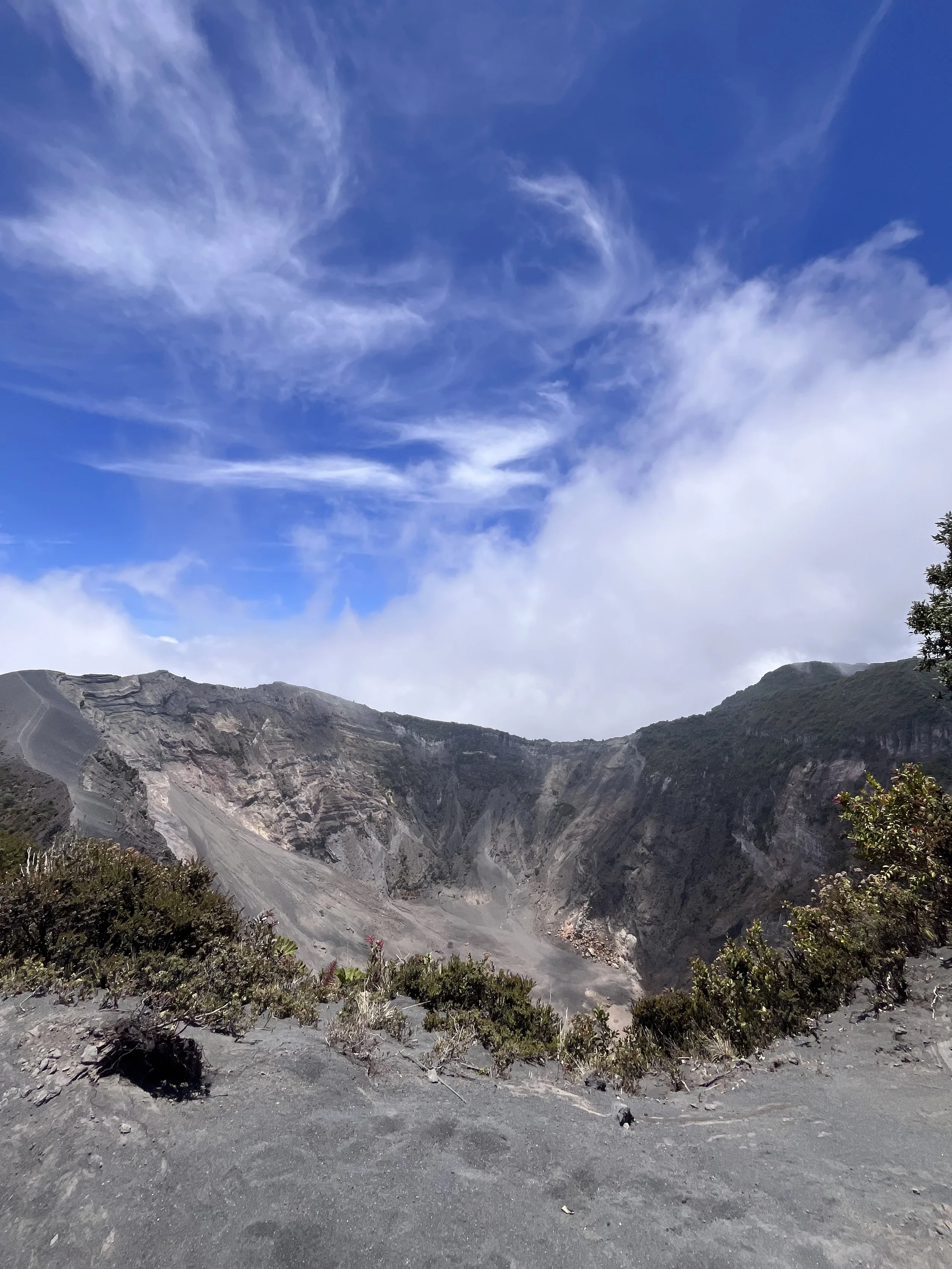
Manage Your Expectations on Volcanic Activity: Costa Rica is home to several active volcanoes, but "active" doesn't always mean you'll see flowing lava. Some peaks (like Poás and Turrialba) feature active, steaming craters where access is strictly regulated and can change daily depending on gas emissions and safety alerts. Others, like Irazú are less active or heavily forested, offering stunning scenic hiking trails rather than dramatic crater viewing. Always check current park alerts before making the drive. When I last visited Irazú in June, 2026, the famous blue pool at the bottom of the crater had dried up, because it depends on the heavy rains in the rainy season to fill it.
Pack Layers for High Altitudes: It's easy to forget that you're in the tropics when you're sweating at sea level, but volcanic peaks like Irazú and Poás and Turrialba sit at high elevations (over 2,900 meters / 9,500 feet). Mornings at the summit can be surprisingly cold, windy, and raw. Throw a light windbreaker or fleece into your daypack—you'll be glad you have it while standing at the crater rim.
The Ultimate Guide to Costa Rica Volcano Hikes: Trails, Tickets & Local Tips
-
Turrialba
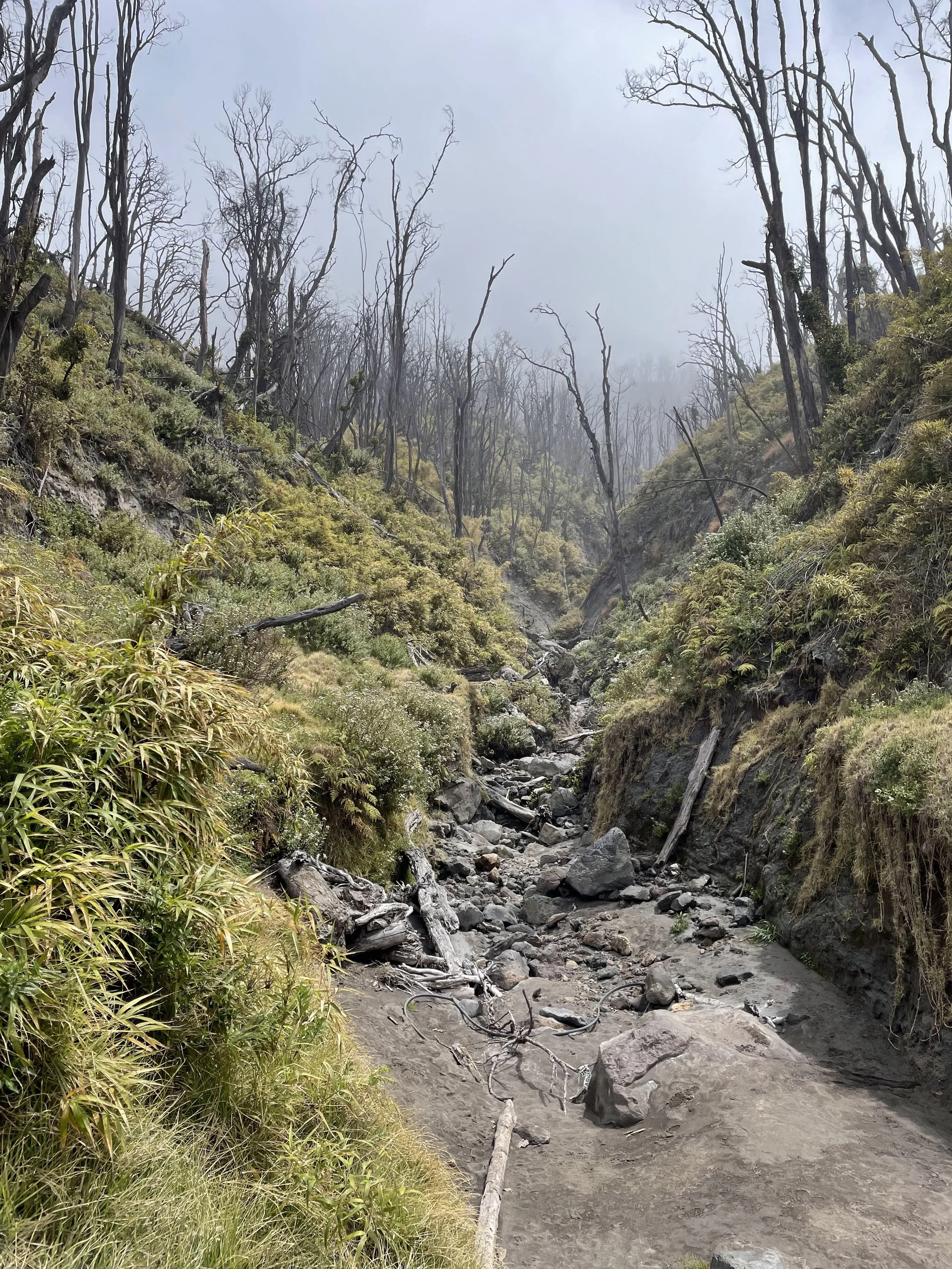
My Favorite Off-the-Beaten-Path Hike Turrialba Volcano might just be my favorite of all the Costa Rican giants—so nice, I’ve hiked it twice. If you want to escape the tour buses, this classic cone volcano offers a completely otherworldly, lunar landscape.
After being closed for years due to heavy activity—I vividly remember living in San Jose in 2018 when ash rained down on us from its explosions, over 50 kilometers (31 miles) away—this apocalyptic giant is back open and stands as one of the most raw, unforgettable hiking experiences in the country.
Getting There & Practical Logistics
Turrialba is accessible as a day trip from San Jose, but you will definitely need a 4x4 rental car to handle the rugged, steep mountain roads. The drive itself is gorgeous, winding through lush agricultural farms of onions, cauliflower, and spinach that thrive in the rich volcanic soil.
For a more relaxed approach, many travelers choose to stay right in Turrialba town the night before. (Pro tip: Make this volcano just one stop on your Palms, Peaks and Paradise Itinerary!)
The Mandatory Guide Requirement
Because Turrialba is an active volcano, independent hiking is strictly prohibited. You must book a tour with a certified local guide. Excellent options include:
Hacienda La Central: Highly recommended for guided tours of three different difficulty levels ranging between 5-10 km (they also feature fantastic on-site camping if you want to stay overnight).
The Institute of Tourism Education: Another great direct resource for booking authorized guides.
What to Pack
Because of its extreme elevation and unpredictable microclimate, the weather on the mountain swings wildly. You can experience blistering high-altitude sun and freezing, whipping winds all in one morning, so packing technical layers is an absolute must.
-
Irazu
Irazú Volcano is the tallest of the Costa Rican volcanoes, and you can certainly feel that when you reach the top. The wind and the altitude will take your breath away. The national park is broken into two sectors, the Craters and the Prussia sector, both accessible by bus. The public bus from San José to the Irazú Volcano National Park in Costa Rica departs daily at 8:00 AM from Avenida Segunda (in front of Hotel Costa Rica). The trip costs roughly $3–$7 USD one-way, takes about 1.5 to 2 hours, and stops in Cartago around 9:00 AM before continuing to the volcano.
We recommend renting a car though, as to stop and enjoy the views overlooking all of Cartago. Most days you’ll be above the fast moving clouds with lush green fields below you.
If you want the true volcano experience, I recommend the crater sector, which is less of a hike and more of a stroll across the barren moonlike ash fields and peep into the deep craters, that change color depending on the volcanic activity. You’ll be surrounded by poor man’s umbrella plants, just in case it starts to rain.
If you want more of a local experience, you can hike through the forest of the grandparents - a towering pine forest located in the Prusia sector. On a misty day, these wise pines are a magestic scene. At the entrance of this sector is also an old tuberculosis sanitarium that the locals like to spook themselves walking through. They say the trees planted behind it represent the dead souls of the affected patients.
After hiking, stop on the way down at the Sueños Del Irazú restaurant for a cozy atmosphere and delicious local dishes paired with a warm cup of coffee or hot chocolate.
-
Rincón De La Vieja
Rincón de la Vieja Volcano: Geothermal Hiking in Guanacaste
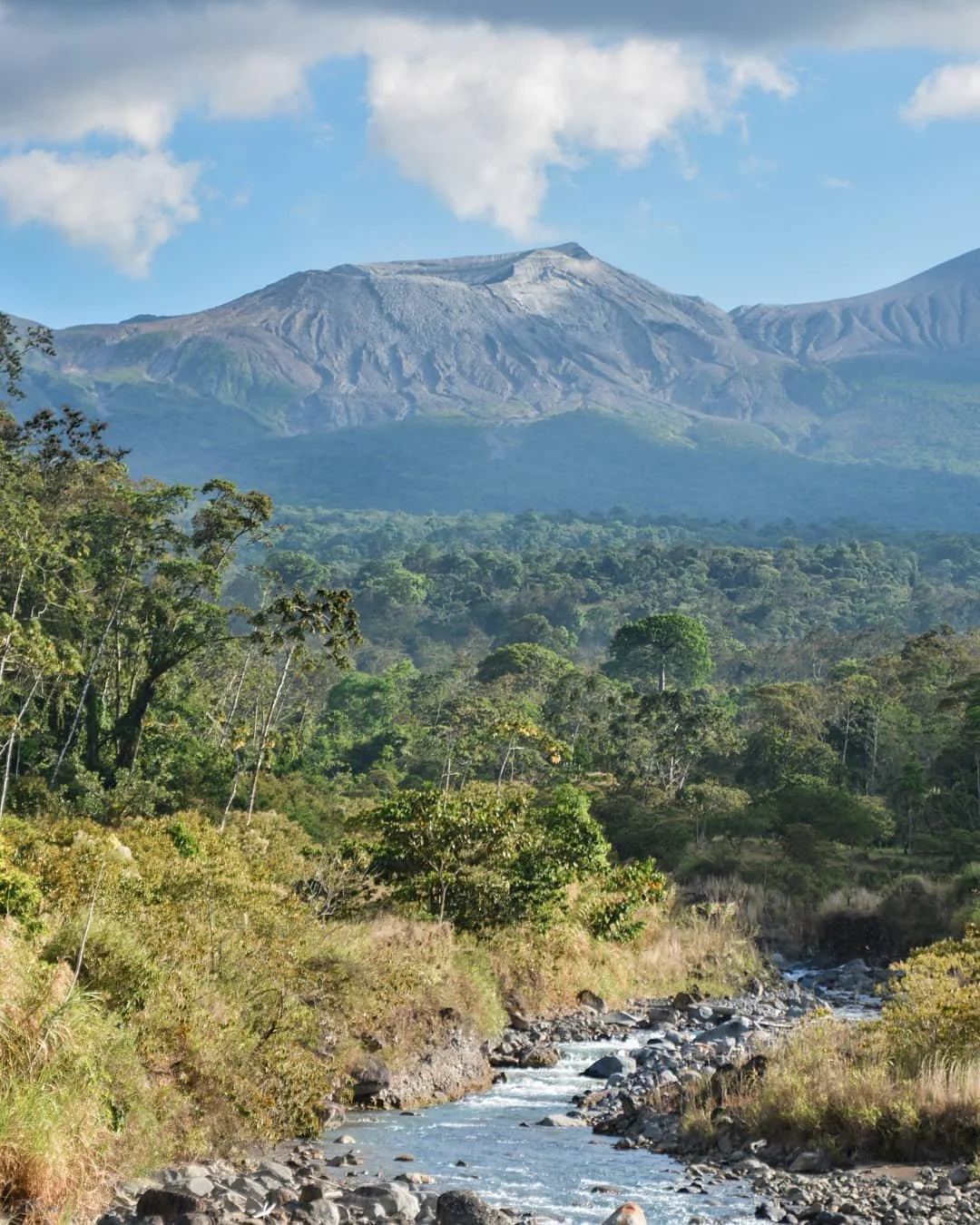
Located in the northwestern province of Guanacaste just outside of Liberia, Rincón de la Vieja Volcano National Park offers an entirely different hiking experience from high-altitude giants like Poás or Irazú. Here, you aren't just looking down into a crater from above; you are hiking directly through a raw, active geothermal zone surrounded by tropical dry forest.
The park is split into sectors, but the most popular and accessible for hikers is the Las Pailas Sector, known for its dramatic volcanic features and abundant wildlife.
Key Trails & Highlights
The Las Pailas Loop (Easy / Moderate): This 3.5-kilometer (2.2-mile) flat loop trail is the park's crown jewel. It takes you right past bubbling volcanic mud pots, hissing steam vents (fumaroles), and sulfur springs. Because the first section is exposed and sunny, it’s best to hit this trail early before the Guanacaste heat sets in. Along the way, keep your eyes peeled for white-faced capuchin monkeys, howler monkeys, coatis, and colorful tropical birds.
La Cangreja Waterfall Trail (Moderate / Advanced): If you want a longer, more immersive hike, this 10-kilometer (6.2-mile) round-trip trail leads deep into the forest to a stunning 82-foot waterfall that plunges into a brilliant turquoise pool. Note that the waterfall trails have earlier closing times than the main loop (typically entry is cut off by noon), so plan accordingly.
Quick Logistics for Hikers
Closed Mondays: Keep in mind that the Las Pailas sector is closed on Mondays for maintenance and research, so plan your Guanacaste itinerary around this schedule.
What to Bring: Sturdy hiking shoes or closed-toe sneakers are a must, along with plenty of water, sunscreen, and insect repellent.
Post-Hike Bonus: Because the park is located right in the heart of Costa Rica's volcanic geothermal belt, many travelers pair a morning hike here with an afternoon soak in nearby natural mineral hot springs and volcanic mud baths (like those around Curubandé).
-

Arenal
Arenal is the most iconic volcano in Costa Rica, and for good reason. Its classic symmetrical cone shape looms over an otherwise flat landscape, creating a striking backdrop for the entire La Fortuna region. Because it has its own unique microclimate and weather system, catching a glimpse of its elusive peak is always a fun challenge.
Important Reality Check: Hiking to the Top Is Illegal
Before planning your route, it is vital to know that hiking to the actual summit of Arenal Volcano is strictly illegal and heavily enforced. Because Arenal is an active volcano with unpredictable gas emissions, unstable rock, and the potential for sudden activity, all legal hiking is strictly restricted to its lower skirts and surrounding reserves. Do not trust any unverified guides offering illegal summit treks.
What Each Type of Hike Consists Of
Depending on your fitness level and what kind of landscape you want to experience, the Arenal area offers a few distinct types of hikes:
Arenal Volcano National Park Trails (Easy & Accessible):
What it consists of: Mostly flat, well-maintained paths weaving through secondary rainforest and old lava flows from past centuries. It features an accessible viewing platform close to the base, making it the most family-friendly option and a great introduction to the park's wildlife (like howler monkeys and coatis).
Arenal 1968 Private Reserve Trails (Rugged & Historical):
What it consists of: A more challenging, immersive experience. When I first came to Costa Rica, this hike was one of the most rewarding I’d ever tackled, walking right over massive, jagged black boulders and hardened lava flows left behind during the catastrophic 1968 eruption. The trails climb up through regenerating jungle to high 360-degree viewpoints overlooking both the volcano and Lake Arenal.
Guided Night Walks (Nocturnal & Wildlife-Focused):
What it consists of: If you want to trade volcanic geology for active wildlife, stepping onto the rainforest trails after dark is a must. These slow-paced, guided night tours give you the chance to spot iconic Costa Rican creatures like red-eyed tree frogs, glass frogs, and eyelash vipers while learning about their nocturnal habits from an expert. -
Poas
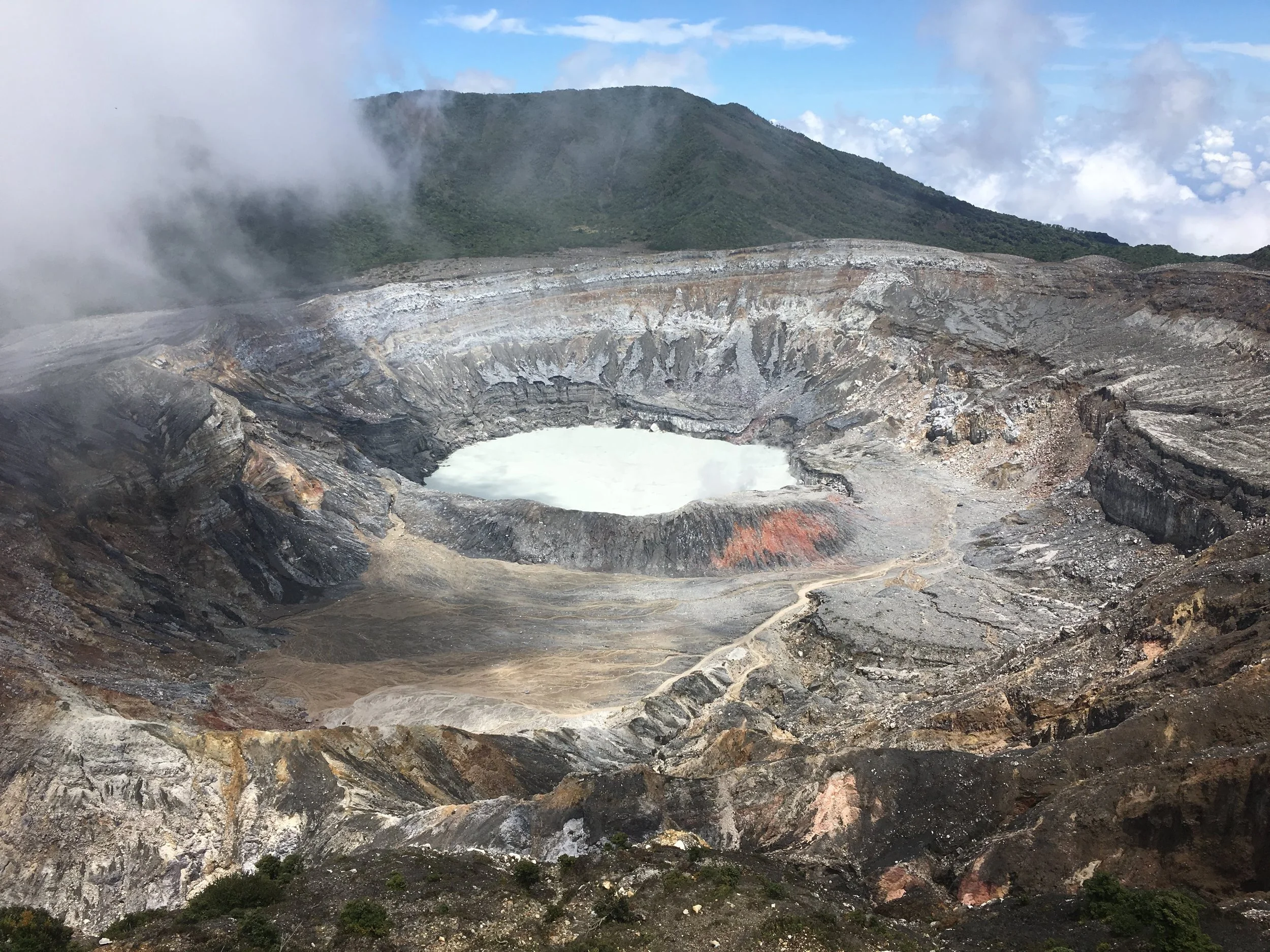
Poas Volcano was the first volcano I ever visited, and definitely the most touristic in Costa Rica, but you can find some great off the beaten path hiking around the park, including a blue lagoon with a beautiful overlook. You may even see an armadillo or quetzal while you are there. The park is often shrouded in mist, so it’s best to go early on a clear day.
The Poas volcano is accessible by bus from Alajuela, but it only runs only on Saturdays, Sundays, and holidays. Operated by Coopetransasi, the direct bus departs from the FECOSA terminal in downtown Alajuela at 9:00 AM and costs about $4 (roughly 1,790 CRC) each way. The return trip leaves the volcano at 12:30 PM, running about an hour each way. You can get to Alajuela from San Jose on the TUASA (large red logo) bus that leaves across from Parque La Mercedes very frequently.
The volcano is one of the most active in Central America, so it’s always wise to check if it’s open and buy tickets ahead of time on the National Park Reservation System. The crater is one of the largest active in the world and is approximately 1500 meters deep.
Once you’ve worn yourself out hiking around, as you make your way back to San Jose, don’t hesitate to stop at one of the roadside strawberry vendors. There you can buy a cup of fresh and delicious strawberries doused in condensed milk and Hershey’s syrup to top off your perfect hiking day.