Bajos del Toro, Costa Rica: The Ultimate Waterfall & Cloud Forest Guide
Bajos del Toro: Costa Rica’s Hidden Waterfall Capital
If you open standard travel guides, Arenal and Río Celeste claim all the spotlight for volcanic waterfalls and rainforest hikes. But wedged in the high-elevation gap between the active crater of Poás Volcano National Park and the sprawling, lesser-known wilderness of Juan Castro Blanco National Park sits a region that remains, by some miracle, completely undiscovered by mass tourism: Bajos del Toro.
Having journeyed into this canyon basin twice on back-to-back waterfall missions with local outfitter Senderos del Toro, I’ve explored nearly every corner of this rain-drenched cloud forest, and I am still dying to go back and see more. Bajos del Toro isn't just a quiet alternative to Arenal—it is Costa Rica's undisputed waterfall capital, offering a higher concentration of river drop-offs and even more opportunities to see every imaginable shade of electric blue and turquoise waterfalls which get their striking aquamarine color from a high natural concentration of aluminum sulfate and volcanic runoff interacting with the rocky riverbed.
Whether you visit as a day trip from San José or spend several days exploring its deep river gorges, Bajos del Toro delivers the raw, uncrowded Costa Rica experience that most travelers spend their entire trip searching for.
Getting to Bajos del Toro: Driving Routes, Road Conditions, & Crucial Warnings
Because Bajos del Toro is tucked into a high-elevation pass between active volcanoes, getting here requires navigating steep mountain terrain. Addressing your route planning, vehicle needs, and schedule before leaving San José or La Fortuna will keep your drive smooth and stress-free.
The Sunday Trap: Critical Schedule Warning
Before booking rental cars or mapping your daily drive, note one major regional rule: Catarata del Toro and Blue Falls of Costa Rica are closed every Sunday.
Because these two flagship private reserves are Seventh-day Adventist operations, their gates close completely Saturday evening and remain shut all day Sunday. If you are planning a weekend trip, schedule your main waterfall hikes for Friday or Saturday, or use Sunday to visit alternative spots like Río Agrio or Paraíso Manantiales.
| Route | Distance & Time | Road Profile | Driver Difficulty |
|---|---|---|---|
|
Via Zarcero (Route 708) |
~2 hrs from SJO Airport ~65 km (40 miles) |
Fully paved, steady mountain incline, wider lanes |
Moderate (Recommended for most drivers) |
|
Via Sarchí (Route 707) |
~2 hrs from SJO Airport ~55 km (34 miles) |
Extremely steep grades, narrow switchbacks, hairpins |
High (Challenging; avoid in heavy rain/fog) |
|
Via Río Cuarto (Route 140/708) |
~1.5 hrs from La Fortuna ~70 km (43 miles) |
Smooth elevation gain, paved northern approach |
Easy–Moderate (Best route from Arenal) |
Driving Route Comparisons
Route 1: Via Zarcero (Recommended from San José / SJO)
Heading north on the Interamericana (Route 1) toward Naranjo, turn onto Route 141 through Zarcero. If visiting in December, Zarcero is an awesome town to explore at night as their entire central park is lit up in Christmas lights and vendors sell local food (like the seasonal tamales) every evening in the park. From Zarcero, connect to Route 708 northbound into Bajos del Toro. This is the most maintained, well-paved mountain approach, featuring steady climbs and wider turn radiuses.
Route 2: Via Sarchí (The Scenic, Ultra-Steep Route)
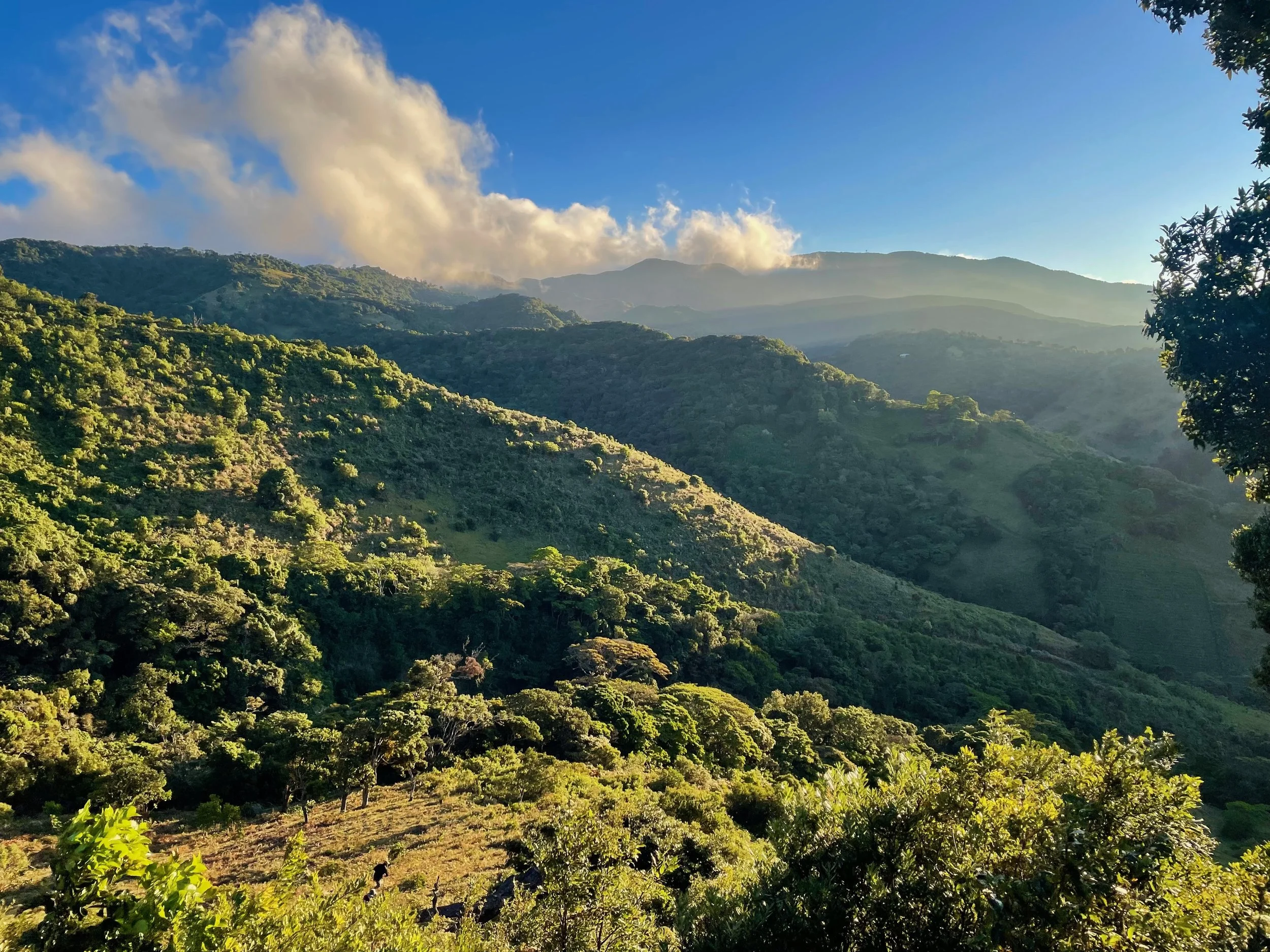
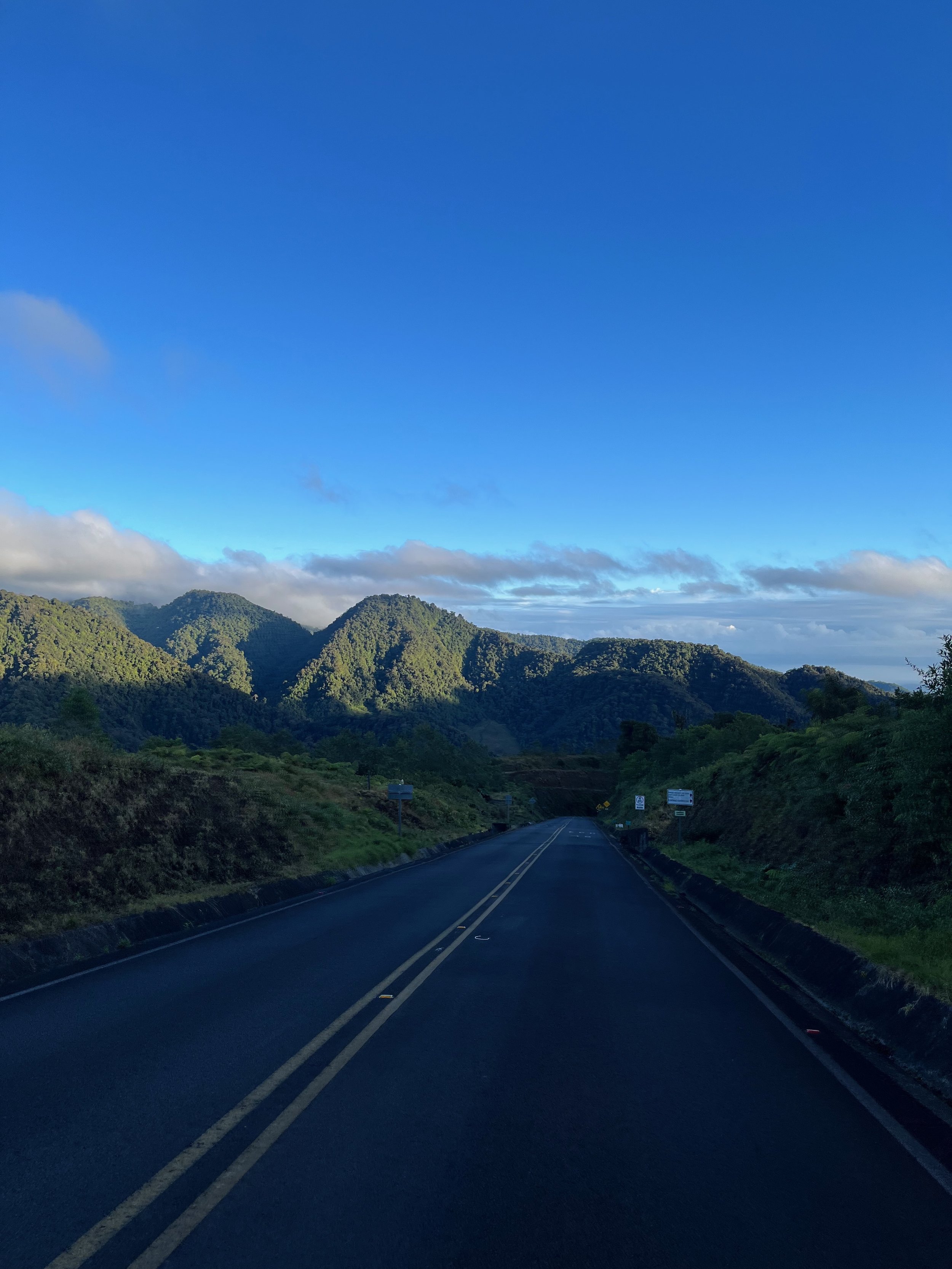
Branching off from Sarchí (a great stop for local artisan goods) directly up the mountain ridge, this route is shorter in distance but significantly steeper. It climbs sharply through agricultural farmland with single-lane sections and hairpin turns. This is by far our favorite route on the motorcycle as it offers incredible valley views of the entire San Jose Valley on clear mornings (see middle picture above), and long distance views of the deep green forests and waterfalls you’re about to explore. However, it requires low gears coming into Bajos del Toro on a famous section called “THE HILL” and confident mountain driving skills.
Route 3: Via Río Cuarto & Venecia (Approaching from La Fortuna)
If you are combining Arenal and Bajos del Toro, head east on Route 4 toward San Miguel/Río Cuarto, then turn south onto Route 708. This approach avoids the steepest southern switchbacks, making it an easy 90-minute drive.
Do You Need a 4x4?
Dry Season (December – April): A standard 2WD sedan can reach the visitor parking lots for Catarata del Toro and Blue Falls via the Zarcero or Río Cuarto routes.
Rainy Season (May – November) & Eco-Lodges: A high-clearance SUV or 4WD vehicle is strongly recommended. Steep asphalt climbs can become slick when wet, and several boutique lodges (including El Silencio Lodge) feature unpaved gravel access roads with steep inclines.
Navigation Warning: Mobile GPS apps (Waze and Google Maps) occasionally attempt to route drivers onto unpaved dirt backroads through private cattle farms. Always stay on designated paved highways (Route 708 or Route 140) unless turning directly into your hotel driveway.
Mountain Fog & Weather Timing Windows
Sitting at 4,900 feet (1,500 meters) in elevation, Bajos del Toro creates its own mountain microclimate.
The 1:00 PM Cloud Shift: Cloud cover, dense mountain fog (neblina), and heavy rains regularly roll into the valley by early afternoon. Dense fog severely reduces visibility on narrow mountain passes.
Plan Early Starts: Plan to hit mountain roads by 6:00 AM – 7:00 AM to arrive at trailheads under clear skies, maximizing water clarity before afternoon rain showers arrive.
The Best Waterfall Hikes & Trails in Bajos del Toro
Because Bajos del Toro sits in a volcanic drainage basin, each waterfall in the valley offers a completely different landscape—from massive 400-foot drops inside extinct volcanic craters to electric-blue river pools and acidic red rock canyons.
Before hitting the trails, keep in mind that swimming rules, guide requirements, and physical demands vary widely from one property to the next. We highly recommend going with a local guide on some of these, as river conditions can change rapidly in these deep canyons.
Catarata del Toro (The 400-Foot Volcanic Crater Drop)
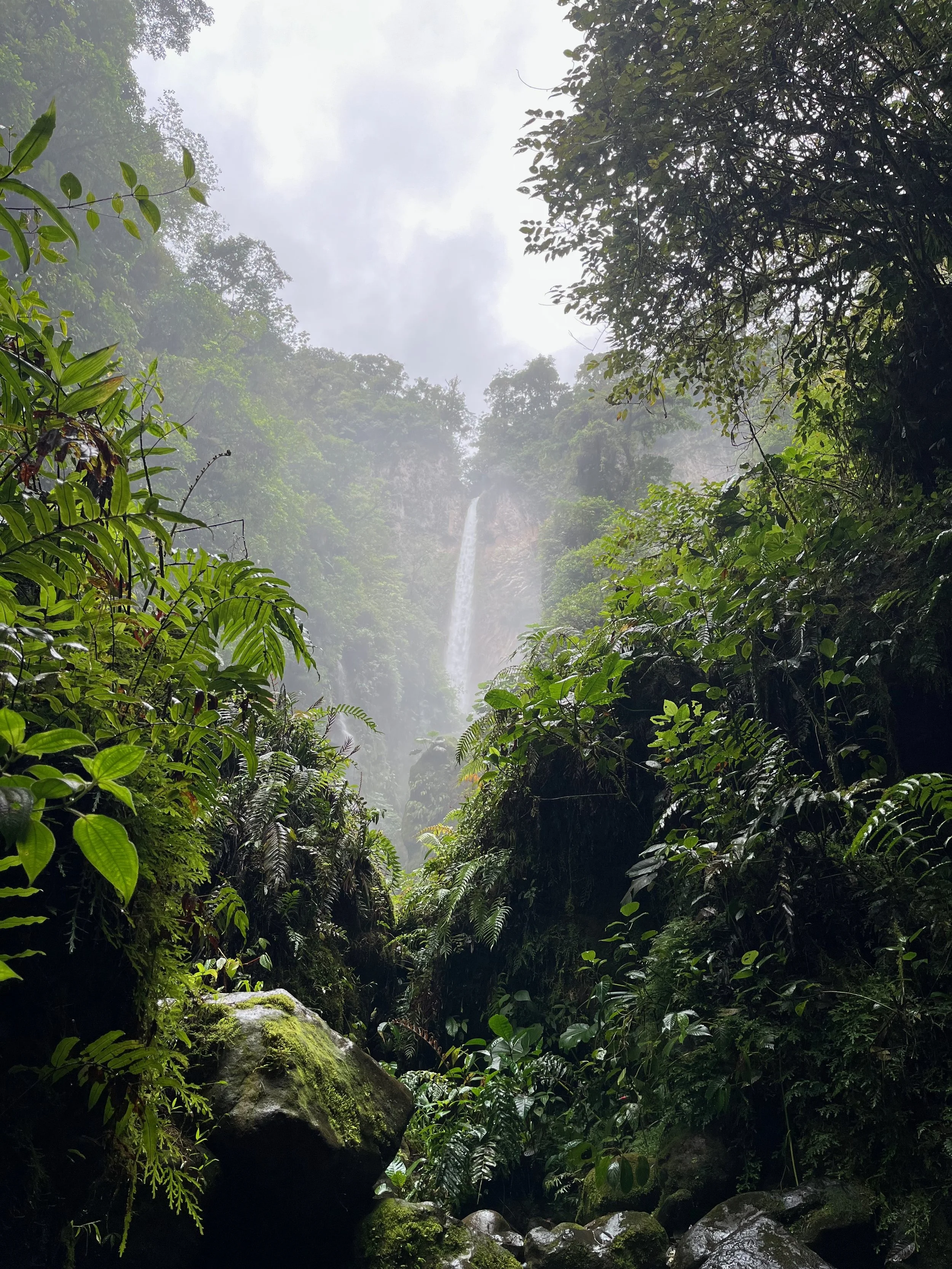
Plunging over 400 feet directly into an ancient, extinct volcanic crater, Catarata del Toro is Bajos del Toro's most iconic spectacle.
The Trail & 350-Step Descent: The hike begins flat along landscaped gardens filled with dozens of hummingbird species. Soon, the trail shifts into a steep, 350-concrete-step staircase cutting directly down the crater canyon wall. The climb down takes about 15–20 minutes, but save your energy—the steep climb back up in mountain humidity will test your legs.
Strict Swimming Prohibition: Swimming is strictly forbidden here due to massive hydraulic force and falling rocks. You can walk right up to the base boulders where the mist hits your face, but stay behind the safety boundaries.
Tickets & Logistics: Entrance is $15 USD for adults. Pro-Tip: Purchase the $25 USD Combo Ticket at the main office to cover both Catarata del Toro and the adjacent Blue Falls on the same morning.
Blue Falls of Costa Rica (Las Gemelas & Poza Azul)
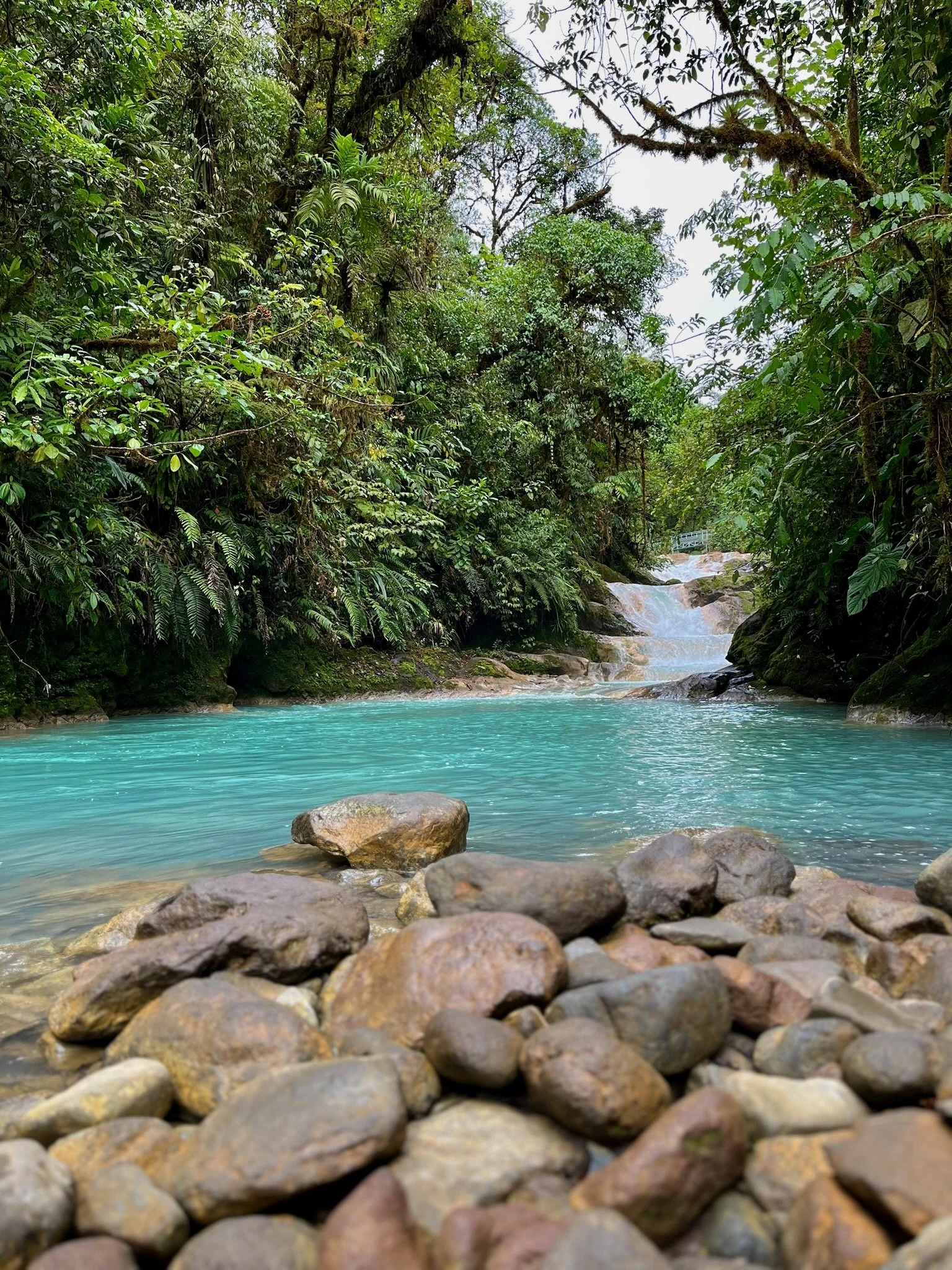
If swimming in electric, neon-blue water is your top priority, Blue Falls (Las Gemelas) is the highlight of the valley. Fed by volcanic mineral streams draining off Poás Volcano, the water stays a bright sky-blue on dry mornings.
The Trail & River Crossing: Shared through the same visitor entrance as Catarata del Toro, the Blue Falls trail heads out across open pastures before diving into lush riverbed forest. The path is relatively flat compared to the crater stairs, though it can get quite muddy near the riverbank.
The Swimming Experience: Unlike Catarata del Toro, swimming is fully permitted at Las Gemelas and the surrounding blue pools . The water is brisk and refreshing, surrounded by sheer mossy canyon walls.
Timing & Weather Sensitivity: Visit first thing at 7:00 AM. Heavy afternoon rains higher up the mountain cause sediment to wash into the river, quickly turning the vibrant turquoise water into a cloudy gray.
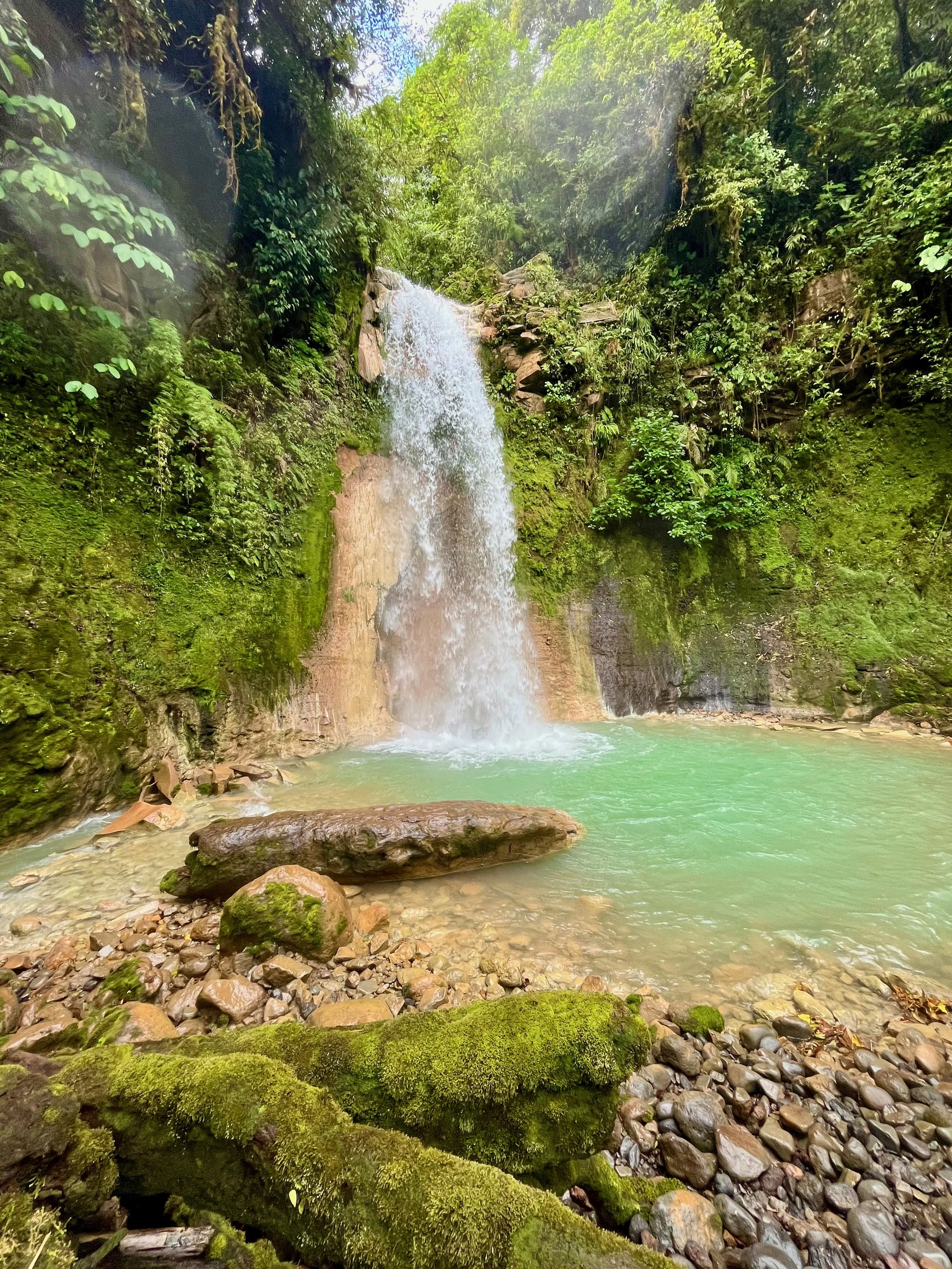
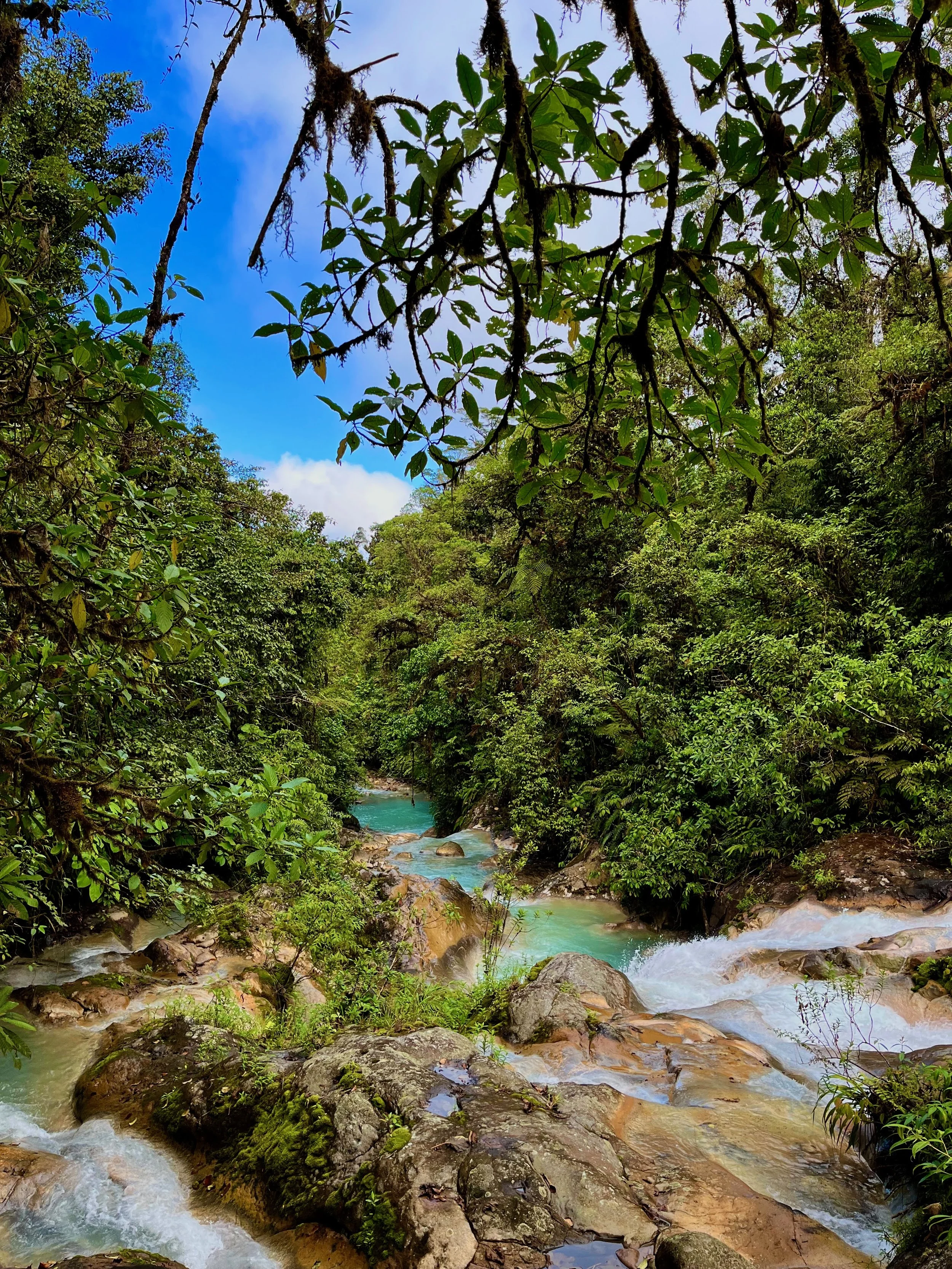
Extend Your Blue Falls Trip: If you want to see a total of 6 shades of blue waterfalls, take this trip with Senderos del Toro. They’ll take you to 4 additional waterfalls on the property that are absolutely worth it, including Tepezcuintle Waterfall (pictured top right), Celestial Waterfall, Painted Waterfall (pictured bottom left) and Turquoise waterfall.
Catarata Vuelta del Cañon
Tucked deep in a remote river canyon, Vuelta del Cañon is arguably one of the most breathtaking hidden waterfalls in Costa Rica. This waterfall has become viral across local instagram accounts, but has not made it into mainstream travel blogs quite yet, so trust me when I say its worth it!
The River Trek: Reached via a demanding 10 to 12 km (6.2 to 7.4 mile) round-trip trail, this hike involves constant river crossings, muddy forest paths, and boulder navigation. Prepare to get wet up to your knees or waist—sturdy sneakers or trail running shoes with drainage are essential.
The Canyon Setting: The reward at the end is an extraordinary double-drop waterfall pouring into a natural bowl surrounded by towering, moss-covered rock walls. The mineral-dense water glows in shades of teal and sky blue.
Guide & Access: Because the route navigates private farmlands and unpredictable mountain riverbeds subject to flash flooding during rains, hiring a local guide (such as outfitter Senderos del Toro) is strongly recommended for safety and access. The owner of Senderos del Toro grew up in the area exploring these trails with his father, and is incredibly knowledgeable about safe river conditions.
Quebrada Gata
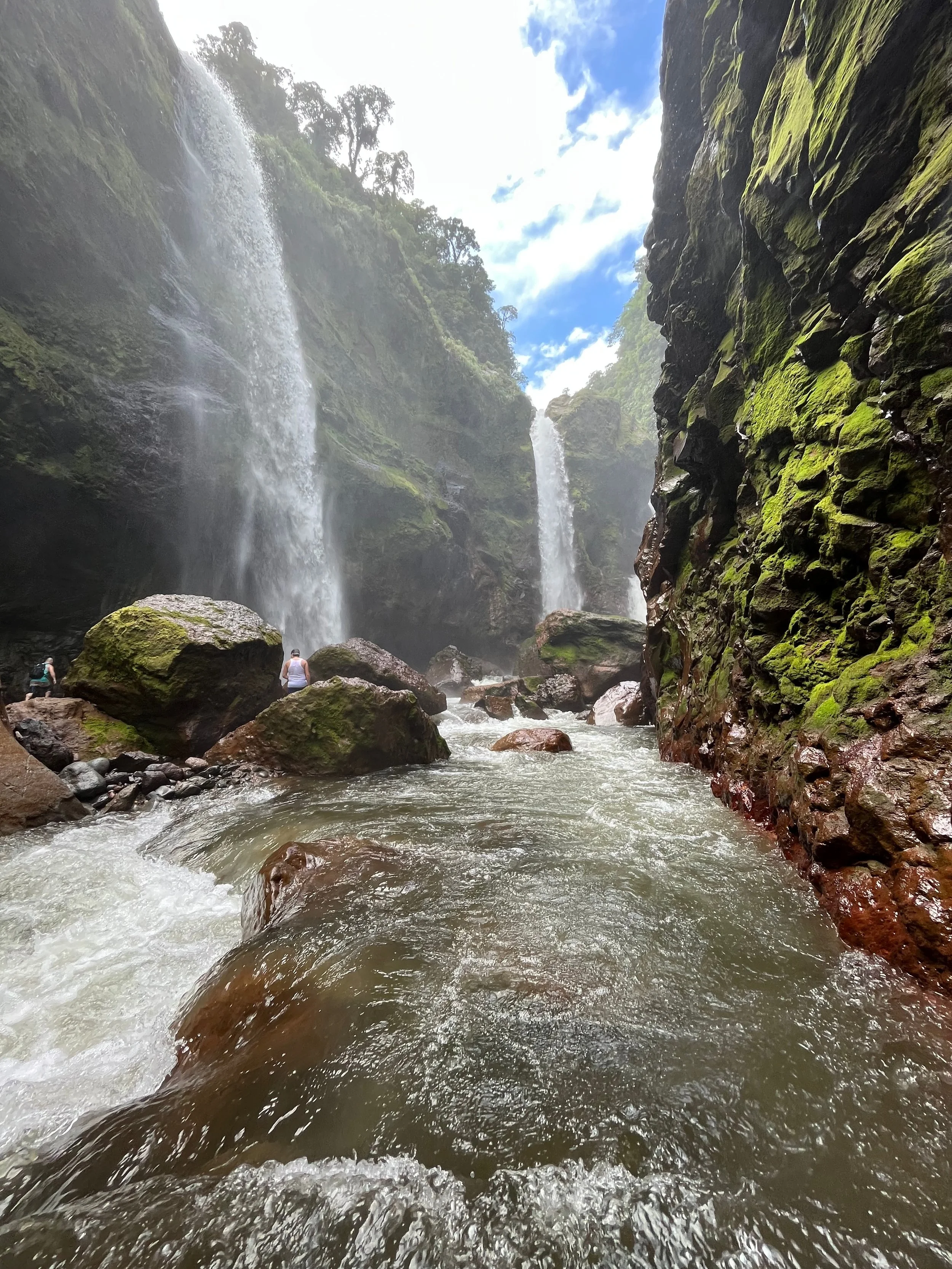
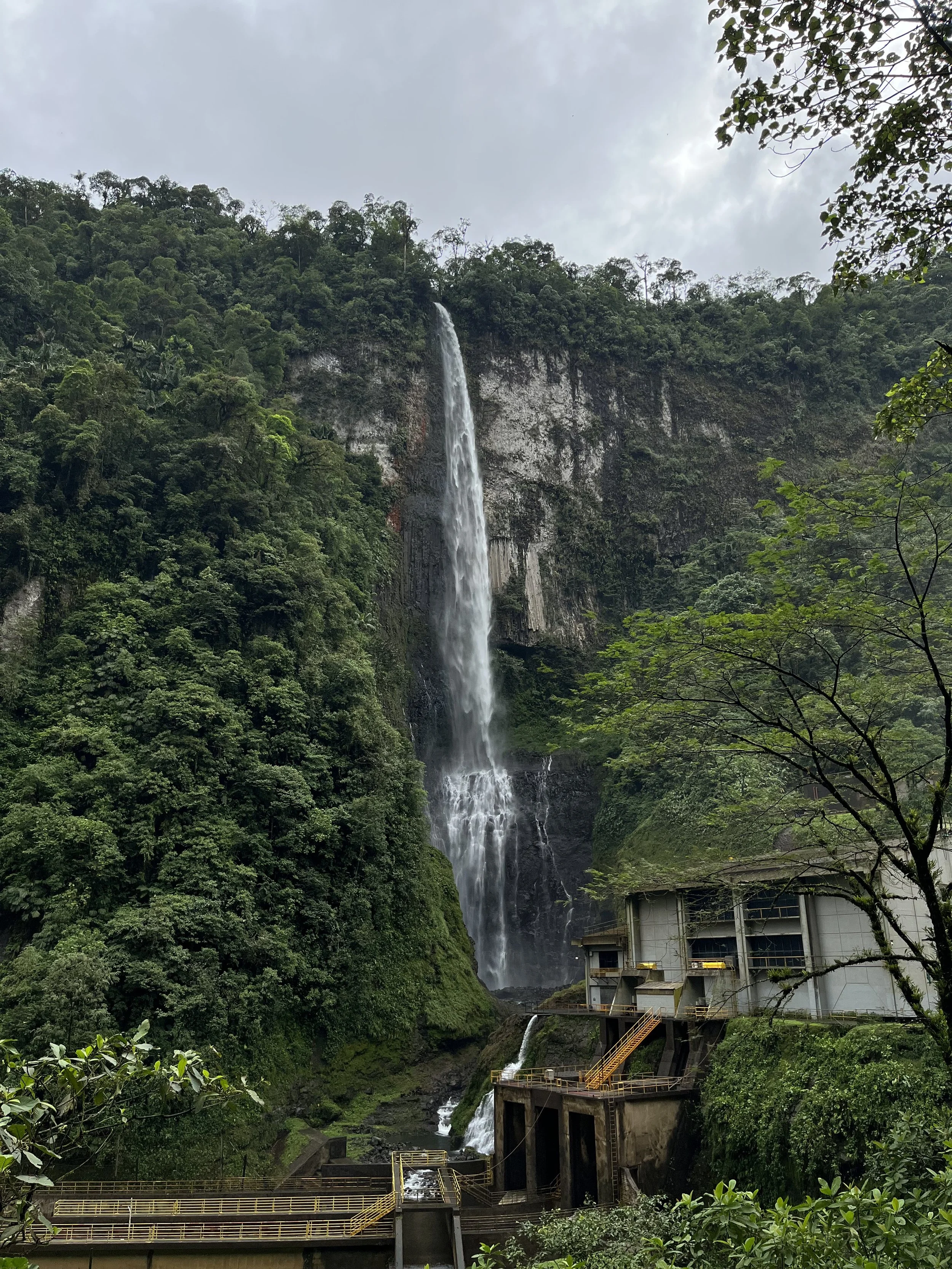
Quebrada Gata (pictured top left) is a powerful display of nature’s force, marking the convergence of several rivers into three dramatic waterfalls dropping into a single deep canyon that locals rightfully call the Jurassic Canyon. Located just past a local hydroelectric plant, it also highlights Costa Rica’s impressive commitment to renewable energy.
Trail & Access: Quebrada Gata on its own is only about an hour expedition round trip, so we highly recommend combining it with Barroso Waterfall below. Senderos del Toro does this as a combo trip, both private tours for $75 and group tours for $50 and can be booked via Whatsapp on their website. Getting down into the canyon is a bit tricky, with slippery rocks and some mud, but that makes for a great adventure and even better stories!
Barroso Waterfall (Catarata Barroso)
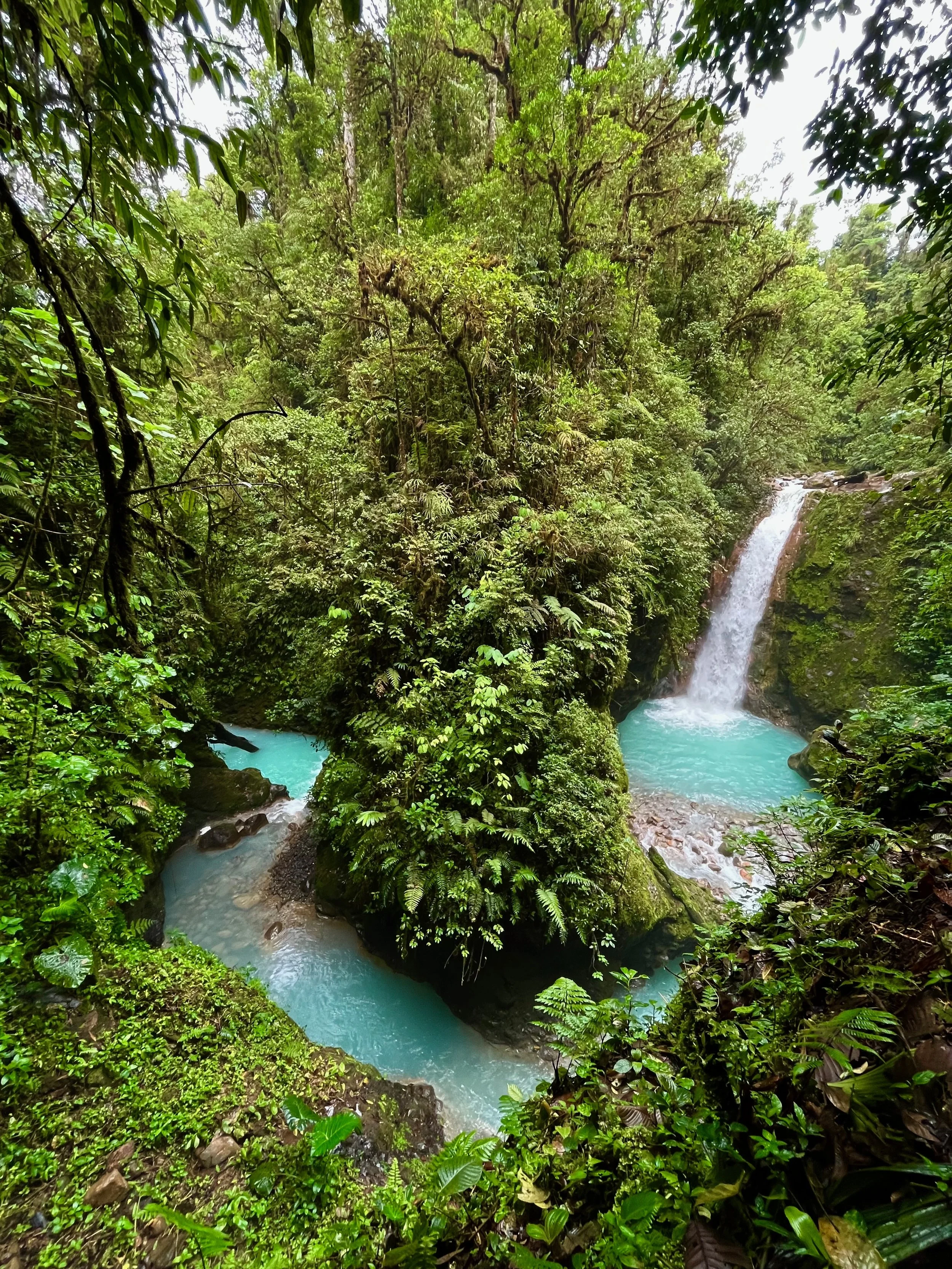
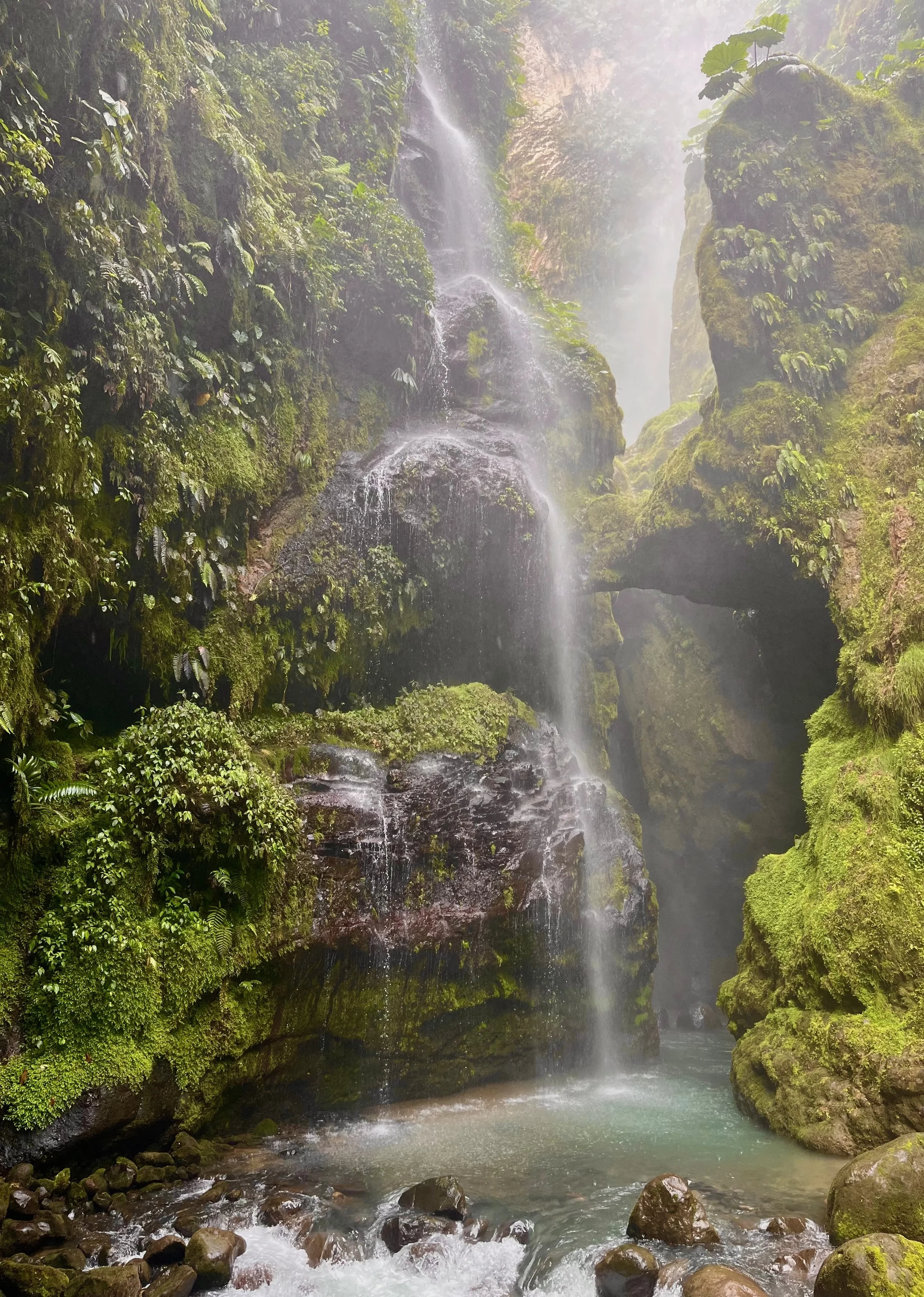
Further up the canyon from Quebrada Gata, Barroso Waterfall (pictured bottom right) is by far the most unique waterfall I have ever visited. Plunging into a dramatic geological formation of water rounded rocks, it feels less like a standard rainforest hike and more like a scene straight out of The Lord of the Rings.
The Canyon Landscape: Towering, moss-covered green walls encircle the amphitheater as streams of water cascade from virtually every direction. A constant, heavy mist hangs in the canyon air, softening the surrounding cliffs into an ethereal glow that makes the river’s bright, electric-blue water pop even more against the greenery. Locals call is Barroso because it looks blurry in photos.
The Expedition Profile: Reaching Barroso is a half-day, highly strenuous backcountry expedition. The route demands navigating dense jungle terrain, and heavily bouldered riverbeds. You will get wet, and stay wet, but its 100% worth it! You can swim in the pools at the waterfall and truly immerse yourself in the mist.
Guide Requirement: Due to extreme canyon isolation, flash flood risks, and off-grid navigation, attempting this hike without a seasoned local guide (such as outfitter Senderos del Toro) is strictly unsafe.
Best For: High-endurance adventure hikers, backcountry photographers, and travelers seeking one of the most surreal, untouched volcanic landscapes in Central America.
Paraíso Manantiales
For travelers wanting a quieter alternative to the main commercial properties, Paraíso Manantiales offers a network of forested trails connecting multiple smaller cascades and clear swimming coves. It is a fantastic option if you visit Bajos del Toro on a Sunday when Catarata del Toro and Blue Falls are closed.
Essential Packing & Gear Checklist for Bajos del Toro
Because Bajos del Toro sits at an elevation of 4,900 feet (1,500 meters) inside a rain-drenched cloud forest, preparing your gear is vastly different from packing for a warm beach day on the Pacific coast. High humidity, sudden afternoon cloudbursts, and river crossings mean you will get wet—the key is preventing your gear from staying soaked and keeping yourself warm when mountain temperatures dip.
1. Footwear & Sock Strategy
Trail Runners or Hiking Boots with Aggressive Lugs: Ditch lightweight sneakers with smooth soles. Trails leading down into volcanic canyons consist of wet red clay, exposed tree roots, and slick river boulders. You need shoes with deep rubber lugs for traction.
Avoid Open Sandals / Flip-Flops: While water sandals seem convenient for river wading, steep clay drops will cause your feet to slide across the footbed, leading to twisted ankles or ripped straps. Stick to closed-toe footwear.
Merino Wool or Neoprene Socks: Cotton socks trap water, causing painful friction blisters within an hour of wet hiking. Merino wool or thin 2mm neoprene socks retain warmth and protect your skin even when your shoes are completely submerged during treks like Vuelta del Cañon or Quebrada Gata.
2. Rain Protection & Layering
Lightweight Breathable Rain Jacket: A packable, waterproof shell is non-negotiable. Mountain rain showers roll in quickly, and high-elevation wind across open crater lookouts will chill you rapidly if you are soaked.
Quick-Dry Synthetic Clothing: Wear synthetic polyester or nylon hiking shorts and shirts. Avoid heavy cotton or denim—cotton holds moisture and turns freezing in the cool 60°F (15°C) mountain air.
Dry Towel & Change of Clothes (Car Stash): Keep a dry change of clothes, warm hoodie, and a microfiber towel inside your rental car so you can swap out of wet trail gear immediately after your hike.
3. Dry Bags & Electronics Protection
10L to 20L Roll-Top Dry Bag: Massive waterfalls like Catarata del Toro generate dense clouds of mist that will saturate standard backpacks in minutes. If you are doing river treks, a heavy-duty dry bag keeps your camera, drone, extra clothing, and snacks completely bone-dry.
Waterproof Phone Case / Pouch: If you plan on taking photos in the waist-deep swimming holes at Blue Falls or Vuelta del Cañon, secure your phone in a clear, lanyard-attached waterproof pouch.
4. Cash, Currency, & Connectivity Tips
Stock Up on Cash (Costa Rican Colones ₡): There are no banks or ATMs in Bajos del Toro. Withdraw cash beforehand in Zarcero, Sarchí, or Río Cuarto. While larger reserves accept credit cards, local family-run sodas, parking attendants, and small guide services prefer cash.
Spotty Credit Card Terminals: Mobile card readers at trail entrances rely on cellular signals, which drop out frequently during mountain storms or inside canyon valleys. Always carry ₡20,000–₡40,000 Colones (~$40–$80 USD) in small bills as a backup.
Cellular Coverage & Offline Maps: The local carrier Kölbi provides the only semi-reliable cell coverage in town; carriers like Liberty or Claro drop signal completely once you climb past Zarcero. Download offline maps (Google Maps or Maps.me) to your phone before driving into the valley.
Gas Station Warning: There are no gas stations in Bajos del Toro. Fill your tank completely in Zarcero, Naranjo, or Ciudad Quesada before starting your drive up the mountain pass.
Where to Stay in Bajos del Toro
Because Bajos del Toro remains off the main mass-tourism circuit, you won't find sprawling high-rise resorts or noisy hotel chains here. Accommodations in the valley consist of eco-lodges, rustic mountain chalets, and family-run cabins nestled directly into the cloud forest.
Organizing your stay by comfort level makes it easy to match your travel style and budget:
Luxury Cloud Forest Retreats ($600+ USD / night)
El Silencio Lodge & Spa (Relais & Châteaux): The gold standard for luxury eco-travel in Costa Rica. Set inside a private 500-acre cloud forest reserve, this 5-star retreat features independent suites and multi-bedroom villas equipped with private outdoor heated hot tubs overlooking the river and canopy.
On-Site Amenities: A full-service wellness spa, farm-to-table organic dining, yoga decks, trout ponds, and private hiking trails leading to three on-site waterfalls exclusive to guests.
Best For: Honeymooners, luxury travelers, and anyone seeking high-end pampering after a strenuous day on the trails.
Mid-Range Eco-Lodges & Mountain Chalets ($120 – $250 USD / night)
Blue Morpho Lodge & Spa: Cozy, chalet-style mountain rooms with wooden interiors, garden views, and gas fireplaces to cut through the chilly mountain air. Located just minutes from the main trailhead hubs, it offers an on-site restaurant serving hearty local meals and a relaxed, quiet atmosphere.
Catarata del Toro On-Site Cabins: Located directly at the entrance gate to Catarata del Toro and Blue Falls, these simple yet comfortable chalets allow you to roll right out of bed and onto the trails at 7:00 AM before day-trippers arrive. Staying here guarantees front-row access to the hummingbird gardens and surrounding forest trails.
Budget Cabins & Local Homestays ($40 – $90 USD / night)
Toro Amarillo & Pueblo Nuevo Cabins: Scattered throughout the small town of Bajos del Toro and adjacent hamlets, these rustic wooden cabins are run by local families.
Amenities & Preparation: Rooms are clean and basic, typically equipped with standing space heaters and heavy wool blankets for cool cloud forest nights. Kitchenettes or hot breakfasts are often included.
Best For: Solo hikers, backpackers, and budget road-trippers spending all day in backcountry river canyons who just need a warm bed and hot shower.
| Gear Item | Recommended Type | Why It Matters |
|---|---|---|
| Footwear | Lugged Trail Runners / Hiking Boots | Prevents slips on wet volcanic clay & slick river rocks |
| Socks | Merino Wool or Neoprene | Prevents blisters and keeps feet warm when submerged |
| Pack Protection | 10L–20L Roll-Top Dry Bag | Protects cameras/electronics from waterfall spray & river wades |
| Outerwear | Breathable Rain Shell | Blocks cold mountain wind and sudden cloudbursts |
| Currency | Cash (Colones ₡) | No ATMs in town; card readers drop offline frequently |
Recommended Bajos del Toro Itineraries & Final Verdict
Because Bajos del Toro sits right along the mountain corridor connecting Juan Santamaría International Airport (SJO) and the Northern Lowlands, it functions equally well as an action-packed single-day stopover or a multi-day backcountry base camp.
Depending on your travel pace and physical ambition, here is how to seamlessly weave the valley into your broader Costa Rica travel plans:
Option A: The 1-Day Scenic Stopover (SJO Airport $\rightarrow$ Arenal)
This is the ultimate route upgrade if you are driving from San José/SJO up to La Fortuna and want to skip the standard highway traffic while fitting in world-class waterfalls.
7:00 AM – Depart San José / SJO: Head north via the Zarcero route (Route 141 to Route 708). Enjoy the scenic climb through coffee plantations and high-elevation cloud forests.
8:30 AM – Catarata del Toro & Blue Falls Combo: Arrive as gates open. Purchase the $25 USD Combo Ticket and hit the flatter trail out to Blue Falls (Las Gemelas) first while the water is at its brightest turquoise clarity.
10:30 AM – Crater Steps Challenge: Head back to the main trail and conquer the 350 concrete steps down into the Catarata del Toro volcanic crater.
12:30 PM – Traditional Mountain Lunch: Grab a hot, traditional casado at the visitor center cafe or at a local soda in the village of Toro Amarillo.
2:00 PM – Drive North to La Fortuna: Continue along Route 708 northbound toward Río Cuarto, connecting directly to Route 142 into our La Fortuna & Arenal regional guide hub in about 90 minutes.
Option B: The 2-Day Backcountry Waterfall Expedition
If you want to tackle demanding backcountry river canyons like Vuelta del Cañon, Quebrada Gata, or Barroso Waterfall with a local outfitter like Senderos del Toro, plan for a 2-night stay in the valley.
Day 1: Volcanic Reserves & Cloud Forest Check-In
Morning: Drive into Bajos del Toro via Zarcero. Spend your morning exploring Catarata del Toro and Blue Falls.
Afternoon: Check into your mountain chalet or cloud forest lodge (such as El Silencio Lodge & Spa or Blue Morpho Lodge). Spend the late afternoon enjoying hummingbirds, garden walks, or an on-site spa treatment as mountain fog rolls in.
Evening: Relax by a gas fireplace and enjoy a cozy mountain dinner.
Day 2: Full-Day Backcountry Expedition with Senderos del Toro
6:30 AM: Early breakfast and gear check (lugged boots, neoprene socks, dry bags, and rain shell).
7:30 AM – 2:00 PM: Join your Senderos del Toro guide for a backcountry trek into Vuelta del Cañon, Quebrada Gata, or the surreal mist-covered canyon of Barroso Waterfall.
Late Afternoon: Return to town for a well-earned hot meal before resting for a second night or heading out early the next morning.
Where to Head Next on Your Trip
To continue building out your custom Costa Rica route, explore these complementary guides across our site:
Volcanic Hiking Adventures: Pair your Bajos del Toro trip with our favorite volcano hikes in Costa Rica for crater rim walks, lava flow trails, and geothermal springs across the Central and Tilarán mountain ranges.
Continuing to Arenal: If you are heading north after your waterfall hikes, explore our complete La Fortuna & Arenal destination guide for hanging bridges, hot springs, and lake kayaking.
Off-the-Beaten-Path Routing: Looking to build an itinerary free of mass-tourism crowds? Combine Bajos del Toro with other quiet reserves in our curated off-the-beaten-track Costa Rica itineraries.
Final Verdict: Is Bajos del Toro Worth It?
If you are looking for manicured resort paths, bustling nightlife, or easy flat strolls, Bajos del Toro might feel too rugged and rain-drenched. But if you thrive on authentic adventure, high-elevation cloud forests, and witnessing the sheer volcanic power of Costa Rica’s most vibrant blue rivers without tour-bus crowds, Bajos del Toro is an absolute must-visit destination.