Caribbean Food & Culture Tours
Best Food & Culture Tours in Puerto Viejo & Caribbean Costa Rica
Beyond the Standard Casado
If you visit the Pacific side of Costa Rica, your meals will be defined by the traditional casado—a reliable plate of rice, beans, plantains, and a choice of meat. But the moment you cross the mountain passes onto the Southern Caribbean coast, everything changes.
The air smells different. It carries the rich, sweet scent of roasting cocoa, fresh coconut milk, and Caribbean spices. The culinary and cultural landscape here isn’t traditional Costa Rican; it is an incredible mosaic shaped by Afro-Caribbean, Jamaican, and Indigenous heritage.
My love affair with the Caribbean coast started just a week after moving to Costa Rica. A co-teacher convinced me to get off the beaten path immediately, and we ended up at the literal end of the road—Manzanillo, just steps from the border of Panama.
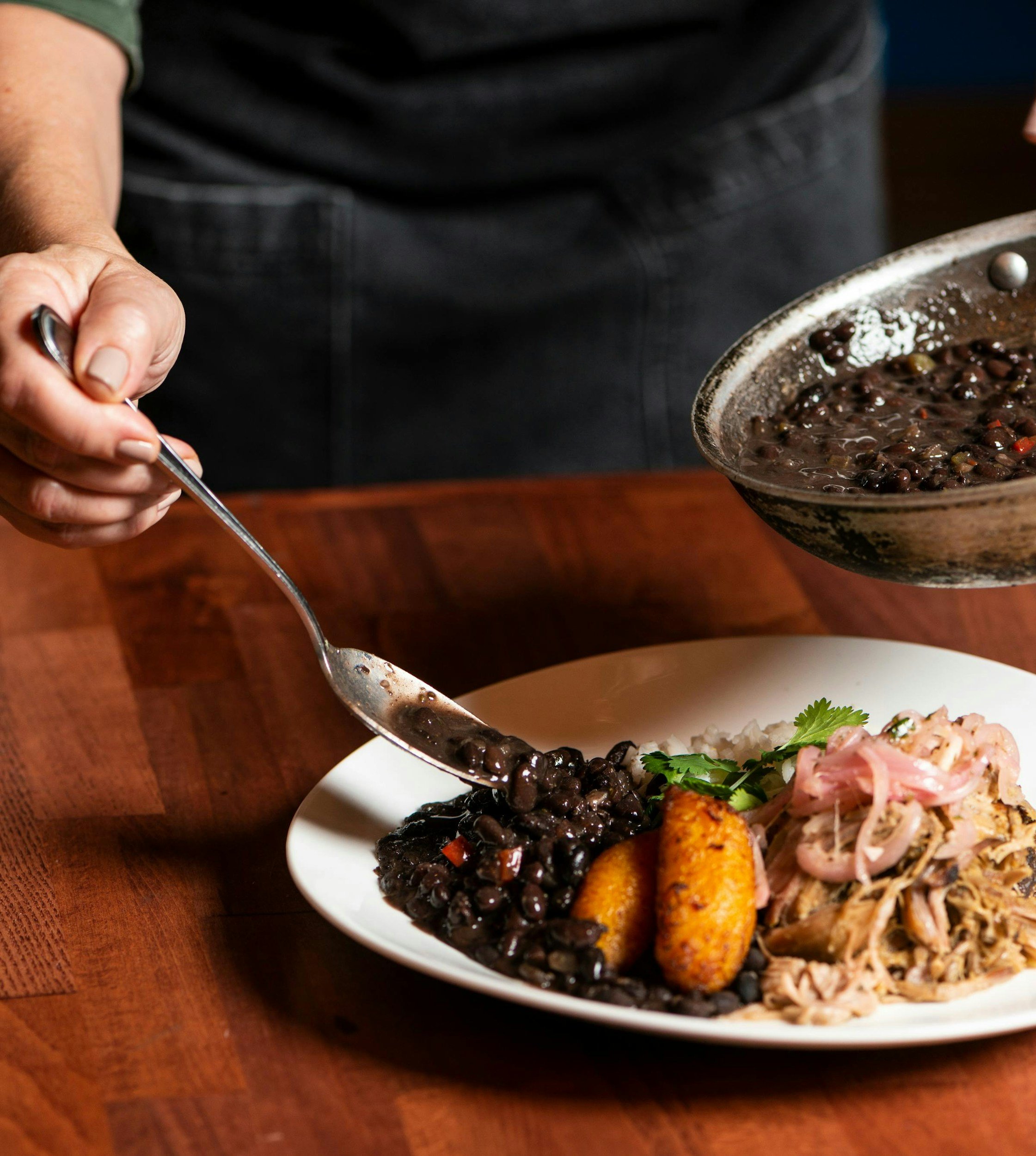
To this day, I am still chasing the high of the plate we had on our very first night: authentic Caribbean Rice and Beans featuring tender, fall-of-the-bone chicken slow-cooked in fresh coconut milk. It was so good that we didn’t go to another restaurant for the entire three days we were there! The cook sat with us for dinner and explained how he’d learned this dish from his aunt.
Sadly, that little local spot has long since closed its doors (that was 10 years ago now!), but the culinary magic that inspired it is still very much alive across the coast today.
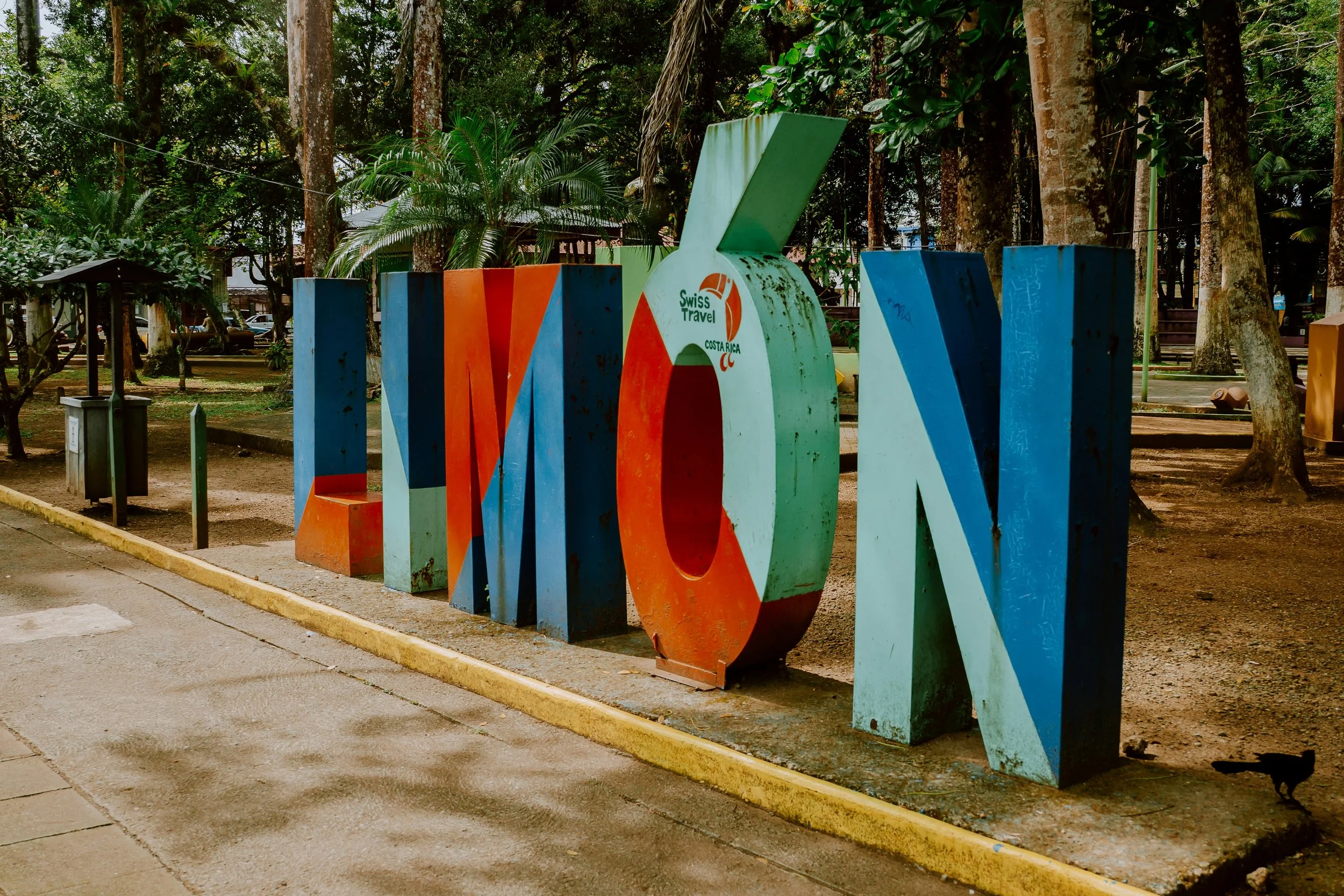
Why the Caribbean Coast Has a Unique Culinary Identity
To truly appreciate a food tour on the Caribbean coast, it helps to understand the history. Unlike the Spanish-colonial roots of the Central Valley, the Southern Caribbean's culture was heavily shaped by Afro-Caribbean immigrants—many coming from Jamaica and Panama to build the railroad and work the banana plantations.
This history created a distinct flavor profile:
Rice and Beans vs. Gallo Pinto: On the Pacific side, breakfast features gallo pinto (mixed rice and beans). On the Caribbean side, "Rice and Beans" is a distinct dish cooked slowly in fresh coconut milk, seasoned with thyme, and often paired with spicy slow cooked chicken or beef.
Staple Ingredients: You’ll find plantains prepared in every way imaginable (patacones, sweet maduros), breadfruit, ackee, and fresh seafood caught daily. The last time I was there we sat beachside at lunch in Punta Uva at a La Sirena, where we enjoyed fresh coconut ceviche and delicately prepared grilled octopus that was to die for!
Spotlight Food & Culture Tour: Wolaba Walking Tours
If you want a true insider’s look at the flavors of Puerto Viejo without hopping in a car, one of the best operators on the coast is Wolaba Walking Tours.
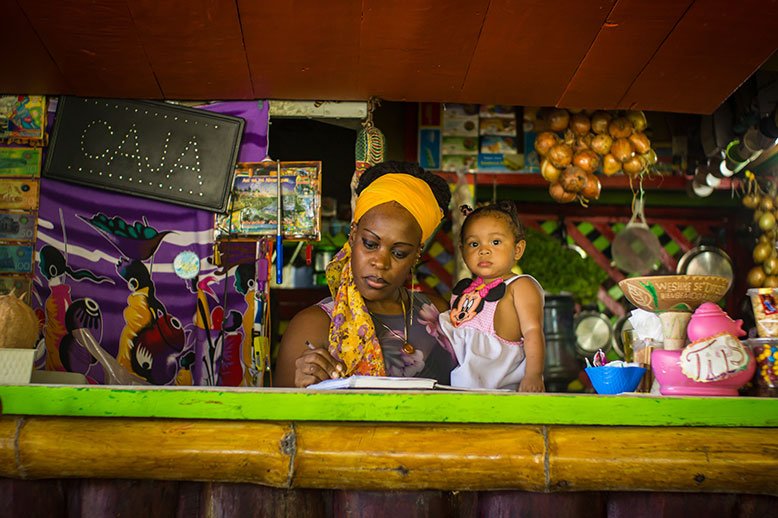
Started by a local family right in Puerto Viejo, Wolaba focuses entirely on community-led, immersive experiences. Because they do their tours on foot, you get a slower, more authentic pace that lets you interact directly with local business owners, cooks, and artisans.
What to Expect on Their Signature Food Tour:
The 6-Stop Tasting Journey: Their flagship walking tour takes you through the heart of Puerto Viejo, stopping at roughly six different local spots to sample traditional Afro-Caribbean cuisine and tropical fruits.
Meet the Makers: Instead of a generic restaurant tasting, you meet the people behind the food—family cooks and bakers who share the generational stories behind their recipes.
Beyond the Walking Tour: Wolaba also offers private cooking experiences at the local farmer's market and deep rainforest tasting tours for travelers looking for a deeper dive.
Why it’s a top pick: It’s 100% locally owned and operated. When you book with them, your money stays directly within the community, supporting the families who keep these culinary traditions alive..
History & Indigenous Culture: Visiting the Bribri Community
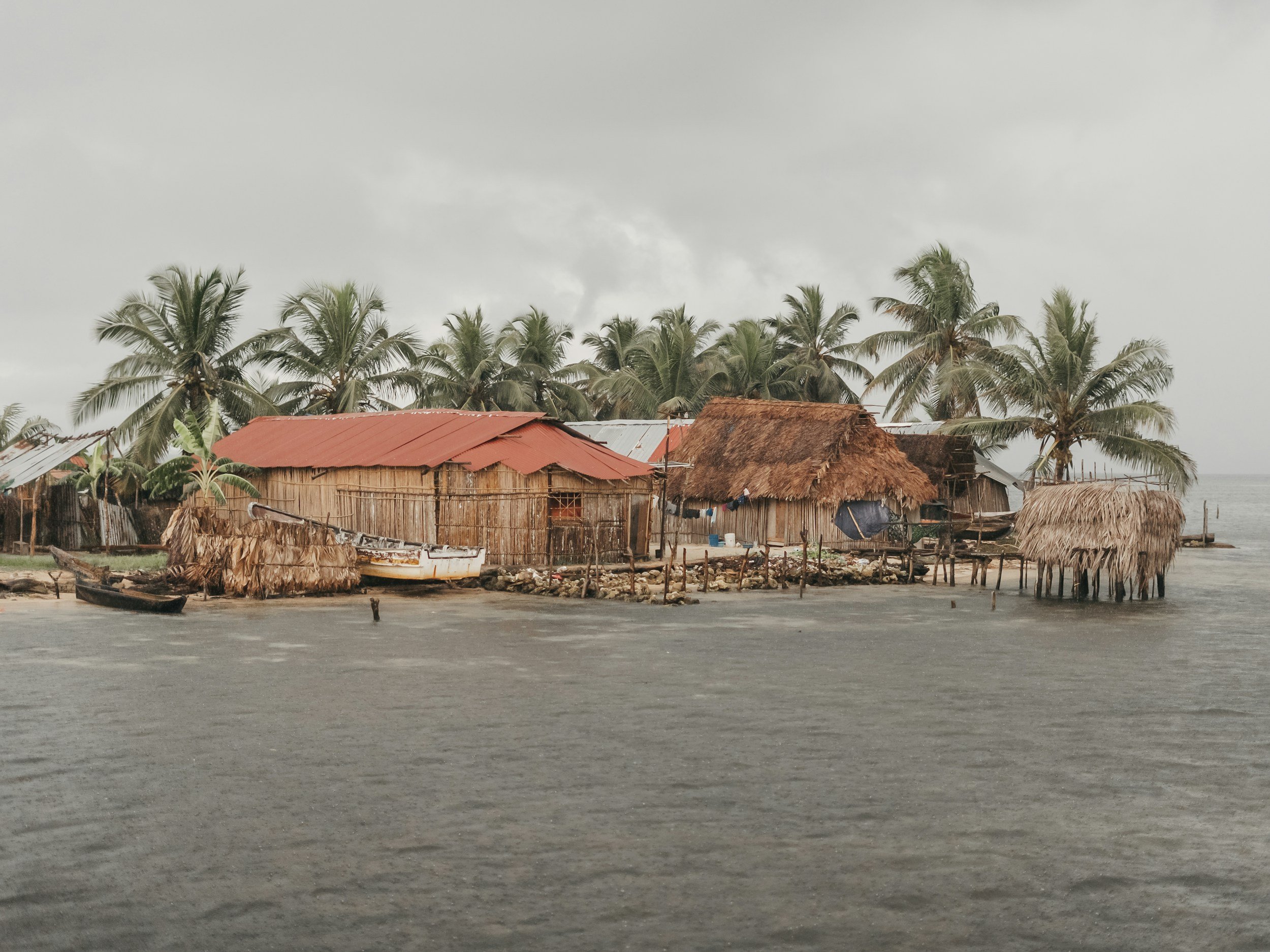
You cannot fully understand the history of the Southern Caribbean coast without looking beyond the beaches to the rugged Talamanca mountains. Long before railroads, banana plantations, or modern tourism, this region belonged to the Bribri people, one of Costa Rica's largest and most fiercely protective indigenous groups.
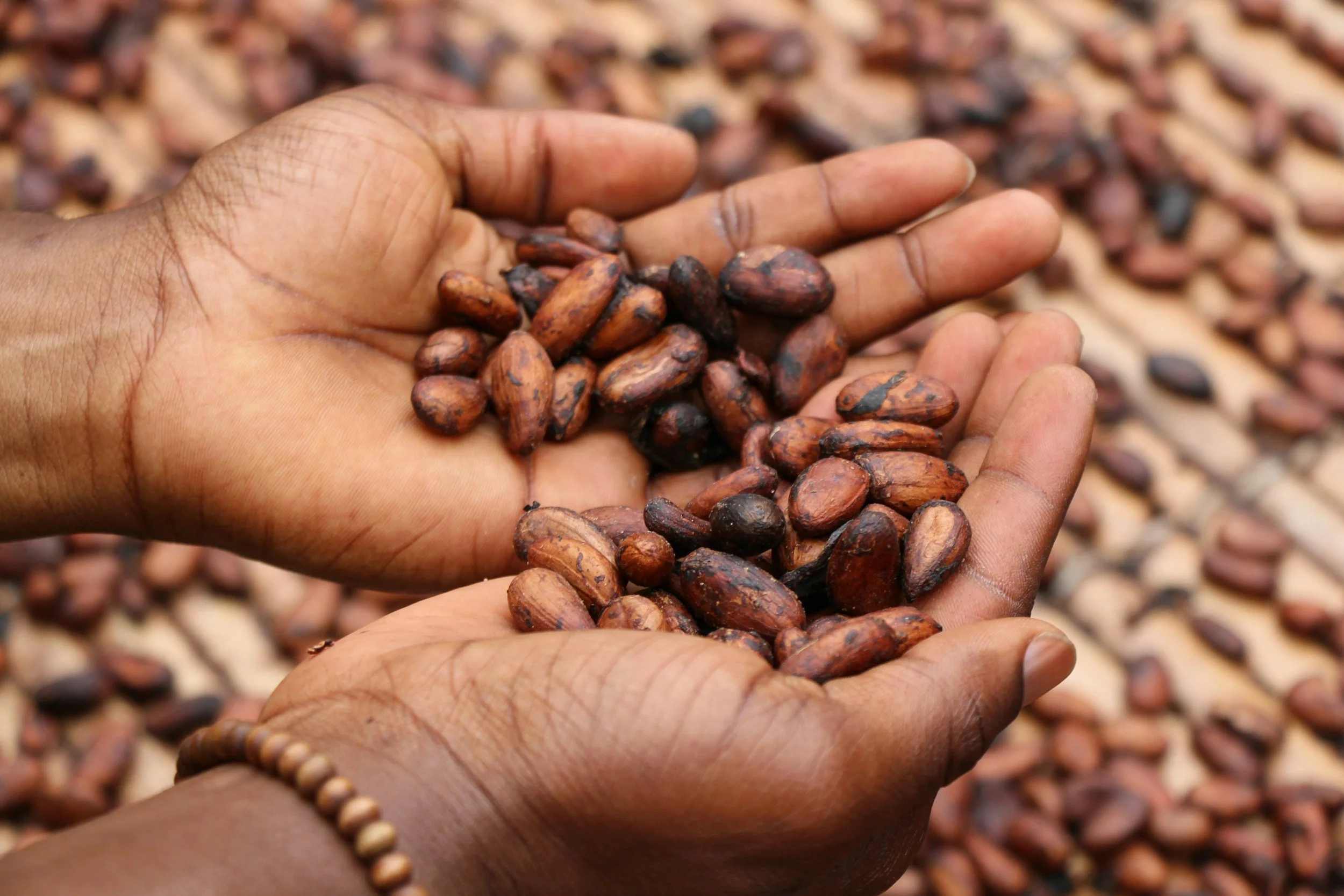
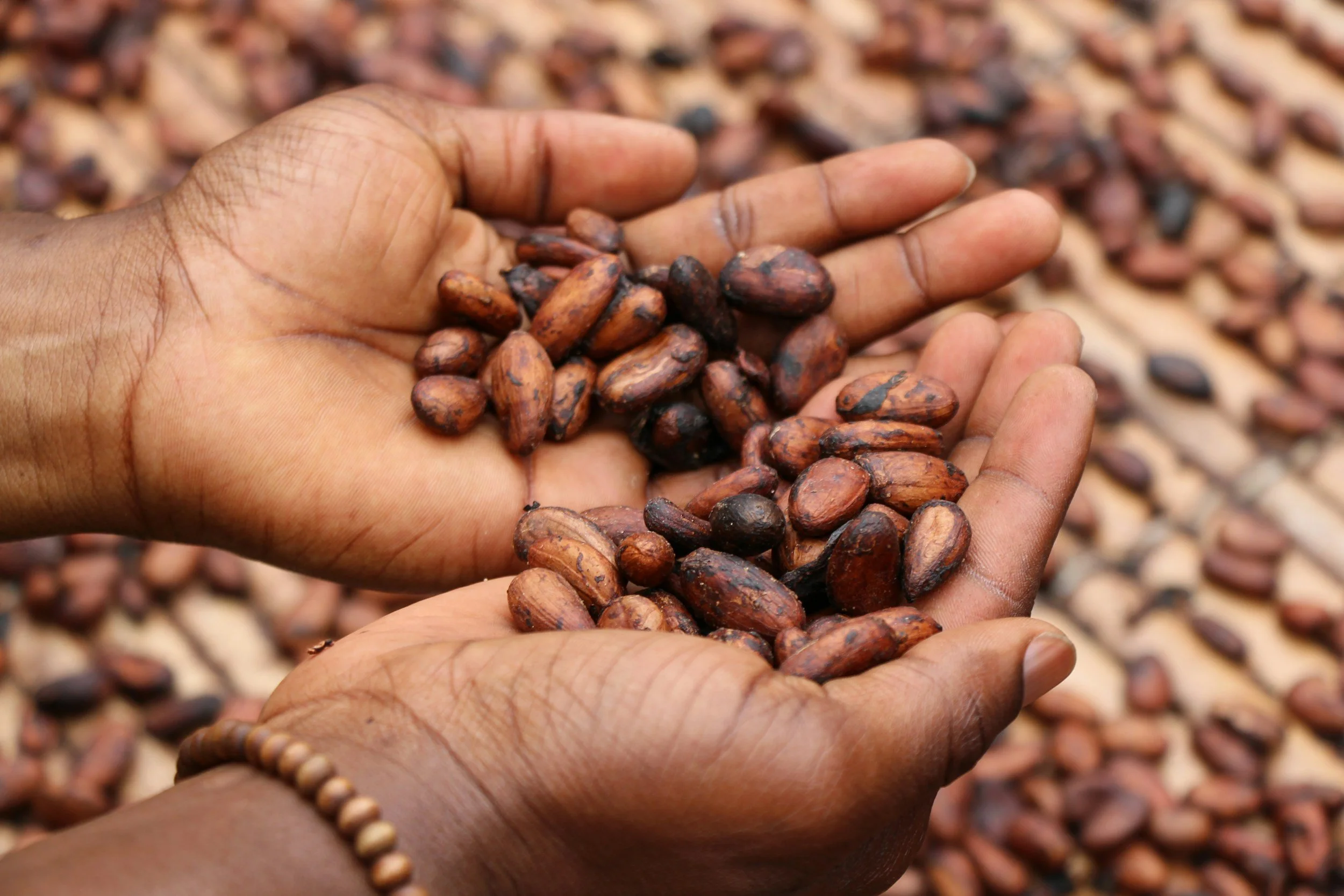
The Bribri have historically maintained a deep, spiritual connection to the land. Their society is famously matrilineal—lineage and land inheritance are passed down through the mother’s line. Furthermore, they hold a sacred reverence for the cacao tree, believing it was once a woman transformed by their creator, Sibú. Because of this, traditional cacao preparation has deep ritual significance within their culture.
If you want to move beyond the typical tourist experience and step directly into living history, a day trip to the remote Bribri village of Yorkin is unmatched.
What to Expect on the Yorkin Cultural Experience
Operated in partnership with local indigenous cooperatives, this full-day tour is an immersive adventure that starts long before you even step foot in the village:
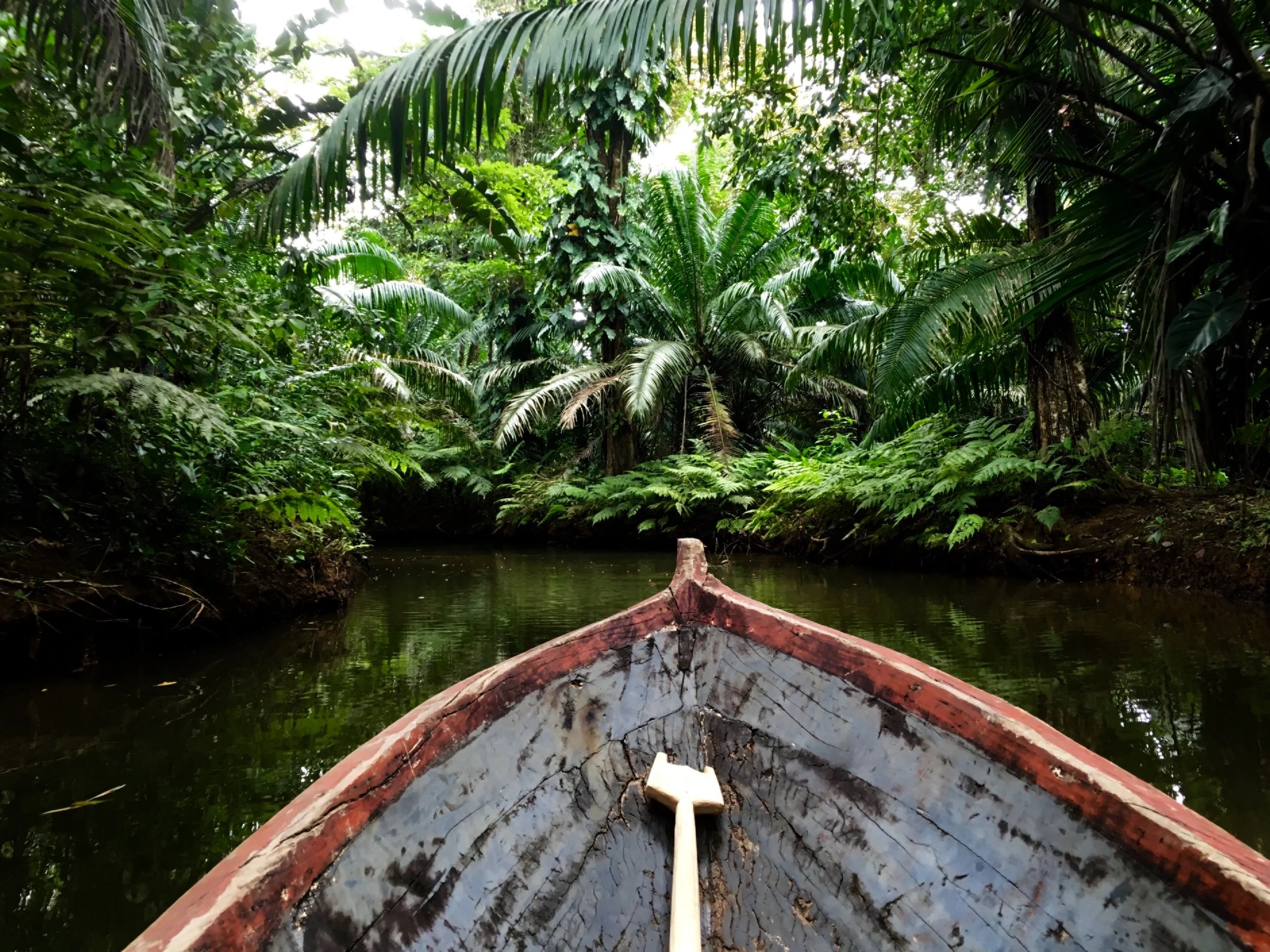
The Dugout Canoe Journey: Your day begins with a thrilling ride up the Yorkin River—the natural waterway that marks the border between Costa Rica and Panama. Local Bribri navigators expertly guide traditional wooden canoes through the river's currents, surrounded by dense jungle and mountain views.
Hands-On Cacao & Craft Traditions: Once you arrive in the village, your hosts welcome you into their community. You’ll learn how cacao is turned into rich, artisanal chocolate by hand, discover how traditional swíta palm leaves are woven for sustainable construction, and even try your hand at crafting traditional bows and arrows.
Organic Farm Lunch & River Swim: Enjoy a traditional homemade lunch prepared with organic ingredients straight from the community’s gardens, followed by a refreshing swim in the crystal-clear Yorkin River before heading back downriver.
Why It’s a Must-Do (Fair-Trade Tourism)
This isn't a staged cultural show. The Yorkin experience was designed as a community-based, fair-trade initiative to generate local income. By visiting, your tourism dollars directly support Bribri families, allowing them to preserve their language, traditions, and territory without having to leave their homeland for outside work.
Deepening the Journey: The Watsi Community & Dos Aguas Waterfall
While a trip up the Yorkin River offers a full-day jungle and canoe expedition, shorter cultural tours into the heart of the Watsi community provide an equally profound look into Bribri life without requiring an entire day on the water.
Located deeper within the Bribri Indigenous Territory of Talamanca, a visit to Watsi is less about rugged adventure and more about quiet, intimate education. Here, travelers are invited to slow down and understand how the Bribri people interact with their environment on a daily basis.
What to Expect on a Watsi Community Visit:
The Bribri Cosmovision (Worldview): Your hosts will introduce you to their spiritual connection to the earth, explaining how creation, nature, and community are tightly interwoven in their ancestral philosophy.
The Living Pharmacy (Medicinal Plants): Walk through the forest with local guides who treat the jungle as a medicine cabinet. You'll learn the practical and medicinal uses of native plants—secrets passed down through generations that modern science is only beginning to validate.
Language & Chocolate Making: Learn a few foundational words in the Bribri language and dive hands-on into the traditional artisanal chocolate-making process, from roasting to grinding, culminating in a taste of pure, rich cacao.
The "Dos Aguas" Waterfall Finale: The tour typically wraps up with a visit to the stunning Dos Aguas (Two Waters) Waterfall. True to its name, this site features the visible convergence of two mountain streams into a single refreshing basin. It’s a peaceful, shaded spot to swim, cool off, and reflect on the day's cultural immersion.
Why This Experience Matters
Visiting a community like Watsi is a masterclass in respect and sustainability. These community-led initiatives ensure that tourism terms are dictated by the locals, protecting their privacy, language, and sacred spaces while allowing travelers to step away from the beach bars and into true living history.
Tips for Booking Cultural & Food Tours Ethically
When you travel to the Southern Caribbean, the line between "tourism" and "community support" is wonderfully thin. Because most operators here are family-run or community-led initiatives, a few mindful choices on your part can make a massive difference for the people hosting you.
1. Book Direct (Cut Out the Multinational Middleman)
It can be tempting to book everything through massive online travel agencies (OTAs) because of the convenience. However, large platforms often take a 30% to 40% commission straight out of the pockets of local guides and family cooperatives.
The Reality on the Ground: Don't be alarmed if a fantastic local tour operator doesn't have a slick online checkout portal. In Costa Rica, WhatsApp is king. Small business owners, indigenous community liaisons, and independent guides live on WhatsApp. Reaching out directly via text or their official website ensures that every dollar you spend stays right there in the Talamanca community.
2. Communicate Dietary Restrictions Early
Traditional Caribbean cuisine is deeply flavorful, but it relies heavily on specific regional staples—most notably coconut milk, fresh seafood, and plantains. If you have a severe allergy (like a tree nut allergy, since coconut is technically classified as a tree nut by the FDA) or follow a strict vegetarian or vegan diet, don't panic!
The Golden Rule: Always communicate your dietary needs at the time of booking, not the morning of the tour. Because local guides and cooks source their ingredients fresh daily for small groups, a little advance notice allows them to easily adapt traditional recipes to keep you safe and well-fed.
3. Respect Community Boundaries & Etiquette
When you visit indigenous territories like the Bribri communities in Yorkin or Watsi, remember that you are stepping into someone's home, not a theme park.
Always ask your guide before taking close-up photographs of community members, elders, or children.
Follow local guidelines regarding sacred sites, and remember that respectful, curious engagement goes a much longer way than transactional tourism.
| Tour Type | Best For | Highlights |
|---|---|---|
| Wolaba Walking Tours (Foodie/Town Culture) |
Food lovers, culture seekers, and travelers looking to explore Puerto Viejo entirely on foot. | A 6-stop local food tasting walk, meeting generational cooks, and market-based cooking experiences. |
| Bribri Indigenous Tours (History/Cacao) |
History buffs, adventure seekers, and deep nature immersion (Yorkin & Watsi). | Traditional dugout canoe rides, hands-on artisanal chocolate-making, medicinal plant walks, and waterfall swims. |
| ATEC (Community/Ecology) |
Grassroots supporters and travelers wanting deep historical, social, and botanical context. | Pioneer community-led educational tours focusing on local conservation, regional history, and Talamanca ecology. |
At the end of the day, exploring Costa Rica’s Southern Caribbean isn’t just about checking off white-sand beaches or spotting sloths in the trees—it’s about the flavors, the history, and the people who call this lush coast home. Whether you're tasting spicy coconut-infused rice and beans in Puerto Viejo, grinding fresh artisanal cacao deep in the Talamanca mountains with the Bribri, or supporting grassroots conservation, these cultural experiences are what turn a simple vacation into an unforgettable journey.
Ready to map out the logistics for your itinerary? Head over to my Southern Caribbean Transport Guide to figure out the easiest way to get to your next tour and experience the true 'Pura Vida' rhythm of the coast.