Rappel
Places to Rappel in Costa Rica: The Ultimate Guide for Adventure Seekers
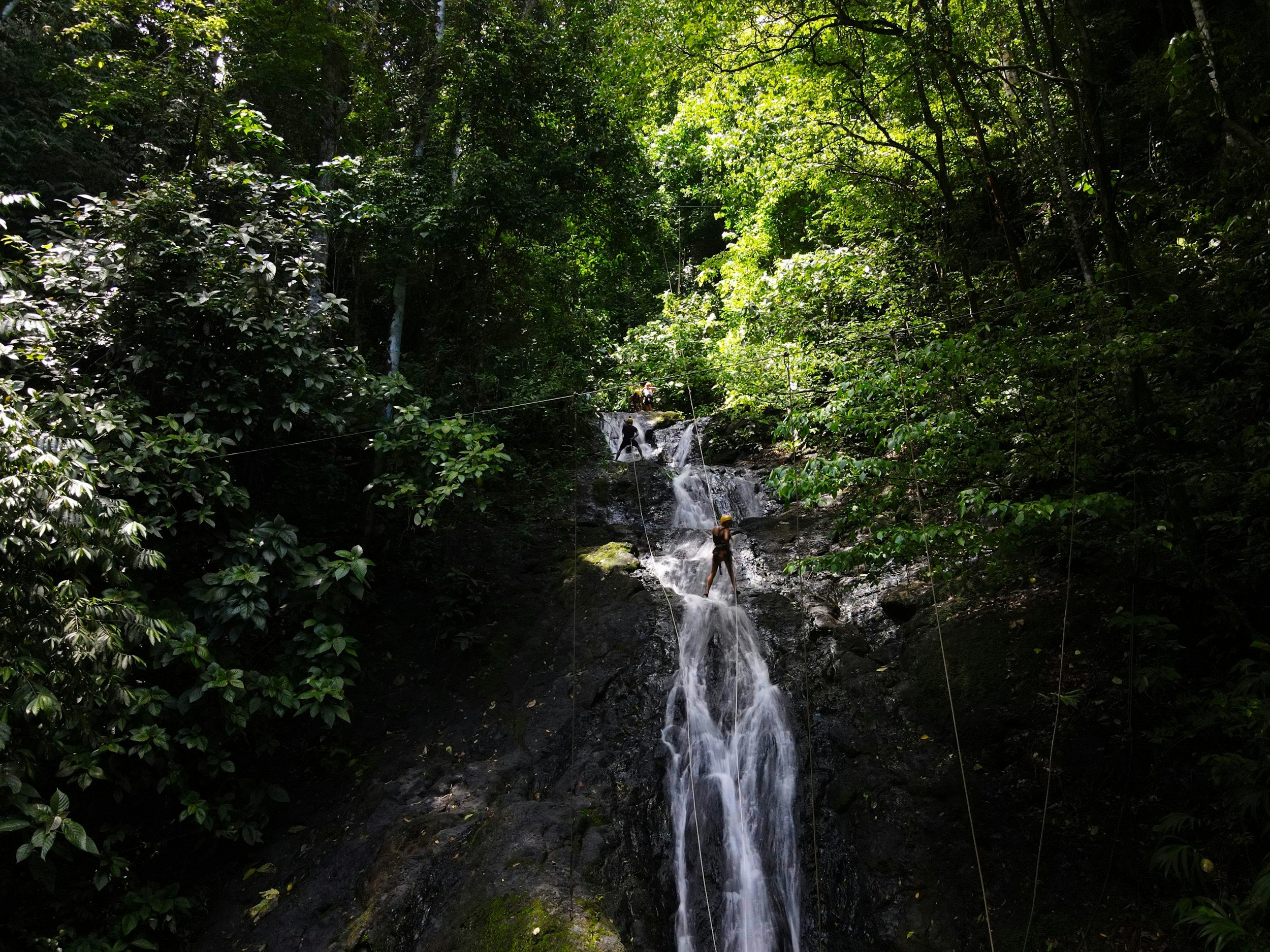
If you’re planning a trip to Costa Rica and love heights, waterfalls and adrenaline, you’ll want to include a rappelling (or as the Ticos call it, canyoning or canyoneering) adventure on your itinerary. From rainforest waterfalls to canyon walls and volcanic slopes, Costa Rica offers some of the best vertical-descents in Central America. This guide covers the best locations for rappeling, what to expect, how to prepare, and how to pick the right operator for your skill level.
Why Rappelling in Costa Rica Is Special
Rappelling in Costa Rica isn’t just about descending a rope. It often combines rainforest hikes, canyon gorges, waterfall drops, volcanic terrain and lush biodiversity. According to the official tourism site for the country, climbing and rappelling are listed as adventure activities that test physical and mental endurance while offering spectacular scenery.
So you’re not just descending — you’re doing it while surrounded by monkeys, birds, tropical flora and dramatic landscapes.
Costa Rica Canyoning & Rappelling at a Glance
| Region | Best For | Max Height / Drop | Difficulty |
|---|---|---|---|
| La Fortuna | Families, classic waterfalls, combo tours (rafting/zip lines) | Up to 230 ft | Beginner to Advanced |
| Jaco / Pacific | High adrenaline, massive unassisted drops, coastal views | ~150–200 ft | Moderate to Extreme |
| Guanacaste | River walls, pairing with beach stays & hot springs | ~55 ft | Easy to Moderate |
| Bajos del Toro | Off-the-beaten-path cloud forest immersion | Varies | Advanced / Rugged |
2. Jaco / Central Pacific
For an intense waterfall descent, the “Extreme Waterfall Rappelling” tour in Jaco offers rappels down ~200 ft alongside jungle and private rainforest reserve. (Adventure Tours Costa Rica)
With Costa Rica Waterfall Tours, you can choose from two levels of rappelling intensity, a more beginner-friendly course that includes Zip lines over the river, or a more heart pumping course where you’ll complete four rappels of heights ranging from 50 to 85 feet… And then complete the longest unassisted rappel in Costa Rica. It’s 150 feet in height with a drop into a pool!
Why go here: Dramatic drops, high-adrenaline setting, relatively close to the coast and only an hour and half drive from the SJO airport.
Tip: Suitable for those comfortable with heights and good fitness — not purely beginner-friendly.
3. Guanacaste (Papagayo)
In the Guanacaste region, you’ll find river-wall rappels: e.g., a 17-meter (55-ft) natural rock wall beside a river in the Papagayo/Guanacaste area. (Congo Canopy Tours)
We also recommend the Experience with Rio Perdido Sanctuary. Under the guidance of renowned Adventure Designers, Alejo Soto and Jose Manuel Pizarro (3-time Guinness Book of World Record fellow), you'll be immersed in the Rio Blanco Canyon with multiple descents and a Tarzan swing included.
Why go here: More accessible for slightly less extreme adventure, with the beach region nearby.
Tip: Rappelling in this area is good for pairing with beach stays — less travel time from resort zones like Tamarindo or Flamingo.
4. Bajos del Toro
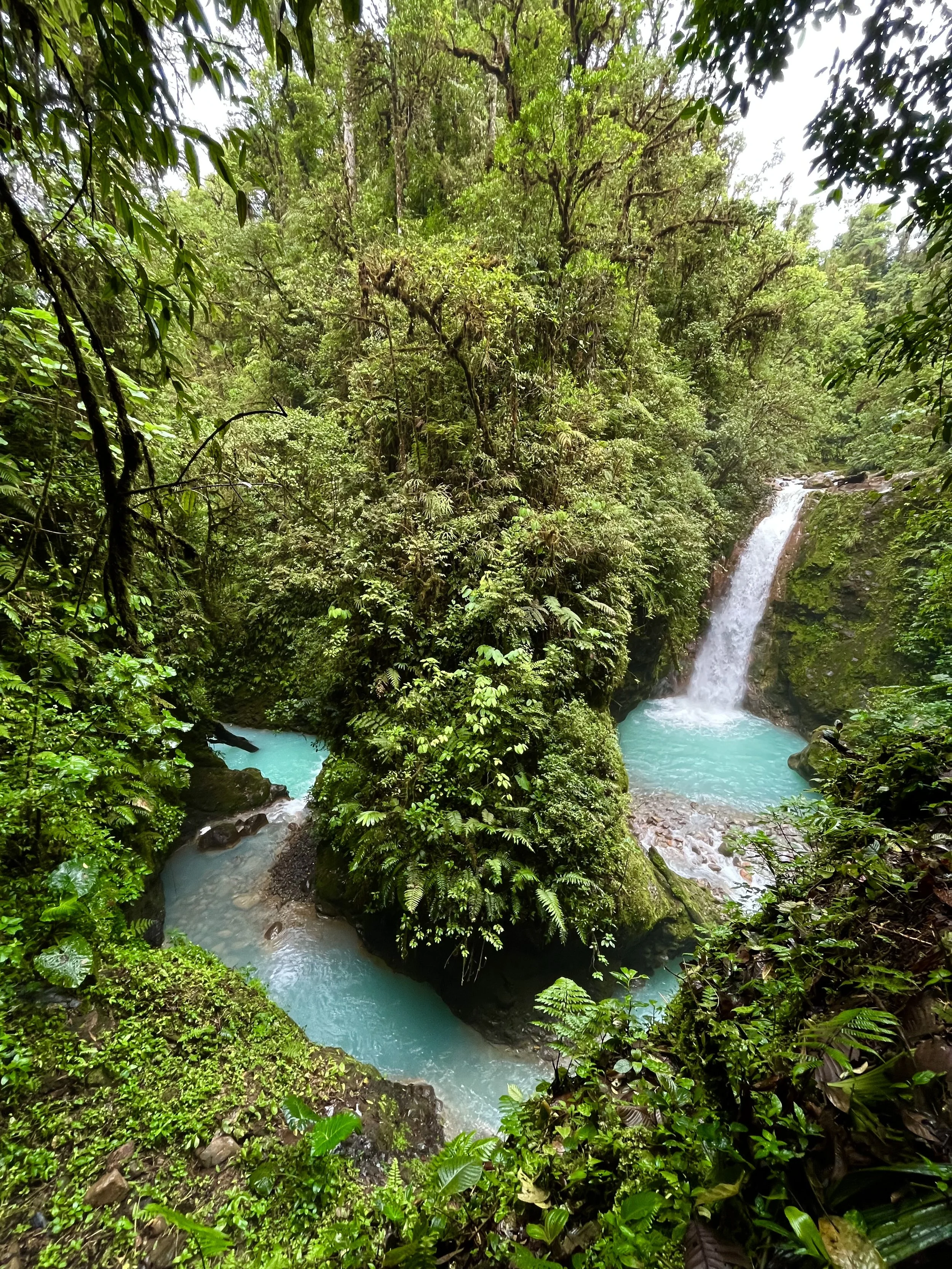
Bajos del Toro, located near San Jose and Poás Volcano, is emerging as a canyoning spot with lesser crowds.
Why go here: More remote, “off-the-beaten-path” feel, lush jungle environment, fewer tourists.
Tip: Travel logistics can be more complex — guide and transport a must.
Top Rappelling Locations in Costa Rica
Here are some of the best places to go rappelling, along with what makes each stand out.
1. La Fortuna / Arenal Volcano Region
This area is a hotspot for canyoning and waterfall rappelling. For example, the company Pure Trek offers a full rainforest canyon course with multiple rappels and a standout “Monkey Drop” experience. Pure Trek offers family-friendly options down to age 5. While companies like ABC Canyoning or Lost Canyon cater to extreme waterfall chasers looking to graduate up to a 230-foot drop.
Why go here: Excellent infrastructure, bilingual guides, experienced operators, and options from beginner to extreme.
Tip: Book early if visiting in dry season (Dec–Apr) because demand is high and conditions are best.
How to Pick the Right Rappelling Tour
Skill & fitness level: Some tours are for beginners (15-20 ft drops, simple ropes) while others demand high fitness and comfort with big heights (200 ft+).
Safety & equipment: Ensure guides are certified, gear in good condition, harness, helmet, gloves, backup systems. Many operators list this explicitly.
Group size & language: Smaller groups, bilingual guides (English/Spanish) are better.
Location & logistics: Consider travel time from your base, road conditions, rainfall season.
What else is included: Transport, lunch, photos, safety briefing, instruction.
Weather & seasonality: Water levels in waterfalls can vary, rainy season can increase risk and cause cancellations.
What to Bring & Prepare
Closed-toe shoes with a good tread (no flip-flops).
Quick-dry clothing or water-friendly gear (you’ll likely get wet).
Change of clothes, towel, sunscreen, insect repellent.
Waterproof phone/gopro or mount (optional).
Be ready for physical action: hiking, climbing, descending.
Inform your outfitters of any medical conditions.
Best Time & Seasonal Considerations
The best conditions for rappelling are during the dry season (December–April), when waterfalls are accessible and roads are in better shape. Rainy season (May–November) still offers tours, but expect heavier water flows, possible closures, muddy access, and more variable conditions. The mud in Costa Rica is extra slippery, so better not to risk it.
Safety & Environmental Responsibility
Rappelling adventures take you into fragile natural environments. Choose operators with good environmental practices: minimal impact, leave no trace, using recognized trails, respecting wildlife. Also follow your guide’s instructions — waterfalls and canyons in the tropics can change rapidly.
Final Thoughts & Your Next Move
If you’re looking for a unique adventure in Costa Rica that combines rainforest, vertical descents, waterfalls, and wild nature — rappelling is a perfect pick. Whether you’re based in La Fortuna, Jaco, Guanacaste or a more remote jungle lodge, you’ll find a tour level suited for your adventure appetite. Book early, pick the right region for your style, and go prepared.
Frequently Asked Questions
Is rappelling safe in Costa Rica?
Yes — when done with reputable operators who provide certified gear, guides, and instruction. Always disclose your health status and follow safety rules.
Are these tours suitable for families or kids?
Some are beginner-friendly (e.g., short drops, easy access). Others with large waterfalls and steep terrain are for older teens or adults with good fitness. Check age/weight restrictions in advance.
Does rappelling count as canyoning or are they different?
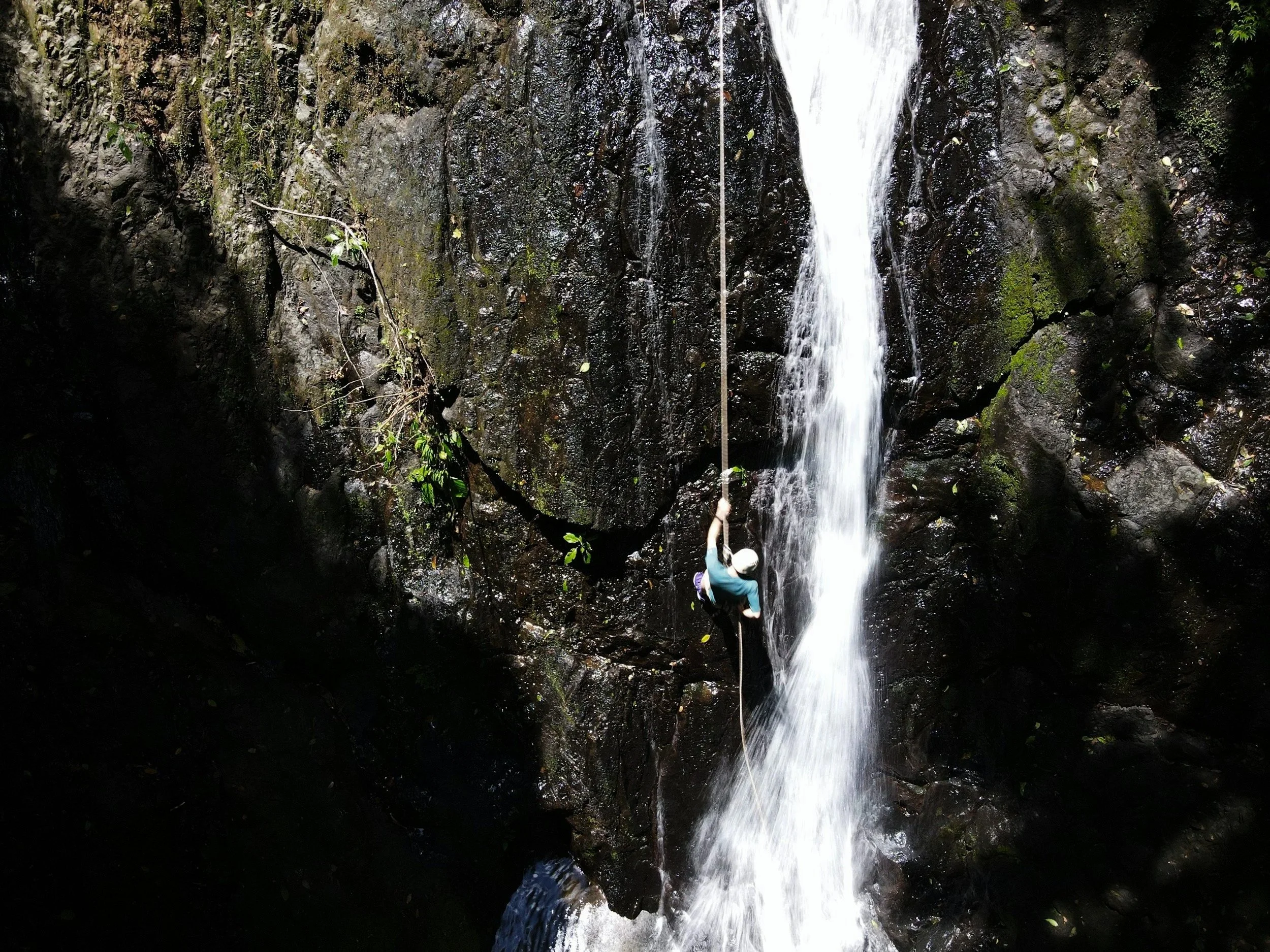
Rappelling is a component of canyoning: descending a rope along a rock face or waterfall. Canyoning often includes rappelling plus hiking, swimming, canyon walls, jumps, zip lines.
How much does a typical rappelling tour cost?
Prices vary widely depending on location, size of waterfall, inclusions, transport. Recent tours near La Fortuna list $100–$250 USD.
Will I get photos or video?
Many operators include professional photos or videos (sometimes at extra cost). Ask ahead about what’s included.
Build Out Your Full Itinerary:
Heading to the mountains next? Check out our complete Zona de Los Santos Travel Guide.
Planning your transport? Read our 10-Day Adventure Moto Loop Itinerary.